

The luxury car market has traditionally been dominated by established European manufacturers with decades of brand history. Names such as Mercedes-Benz, BMW and Audi have built strong identities around premium design, performance and technology. However, the luxury segment is changing as newer brands attempt to challenge the traditional definition of premium motoring.
Genesis has emerged as one of the most interesting examples of this shift. Developed as the luxury automotive brand of Hyundai Motor Group, Genesis has focused on combining distinctive design, advanced technology, comfort and a more modern approach to the luxury-car experience.
Rather than relying entirely on decades of heritage, Genesis has attempted to attract customers through product quality, contemporary styling and a strong focus on customer experience. Its rise reflects a broader change in the luxury market, where buyers increasingly expect technology, electrification and convenience alongside traditional craftsmanship.
How Genesis Entered the Luxury Market
Genesis began as a model name before becoming a separate luxury brand. Hyundai introduced the Genesis name on premium vehicles before officially establishing Genesis as a standalone luxury marque in 2015.
The brand was created to compete in an increasingly global premium market. Instead of positioning itself simply as an expensive alternative to mainstream Hyundai models, Genesis developed its own design language, model lineup and customer experience.
This approach allowed the company to enter a market where established competitors already had strong reputations. The challenge was significant because luxury buyers often consider brand heritage and status when purchasing a vehicle.
Genesis responded by concentrating on the areas it could control directly: vehicle design, cabin quality, technology, driving refinement and ownership experience.
Design Became a Major Part of the Genesis Identity
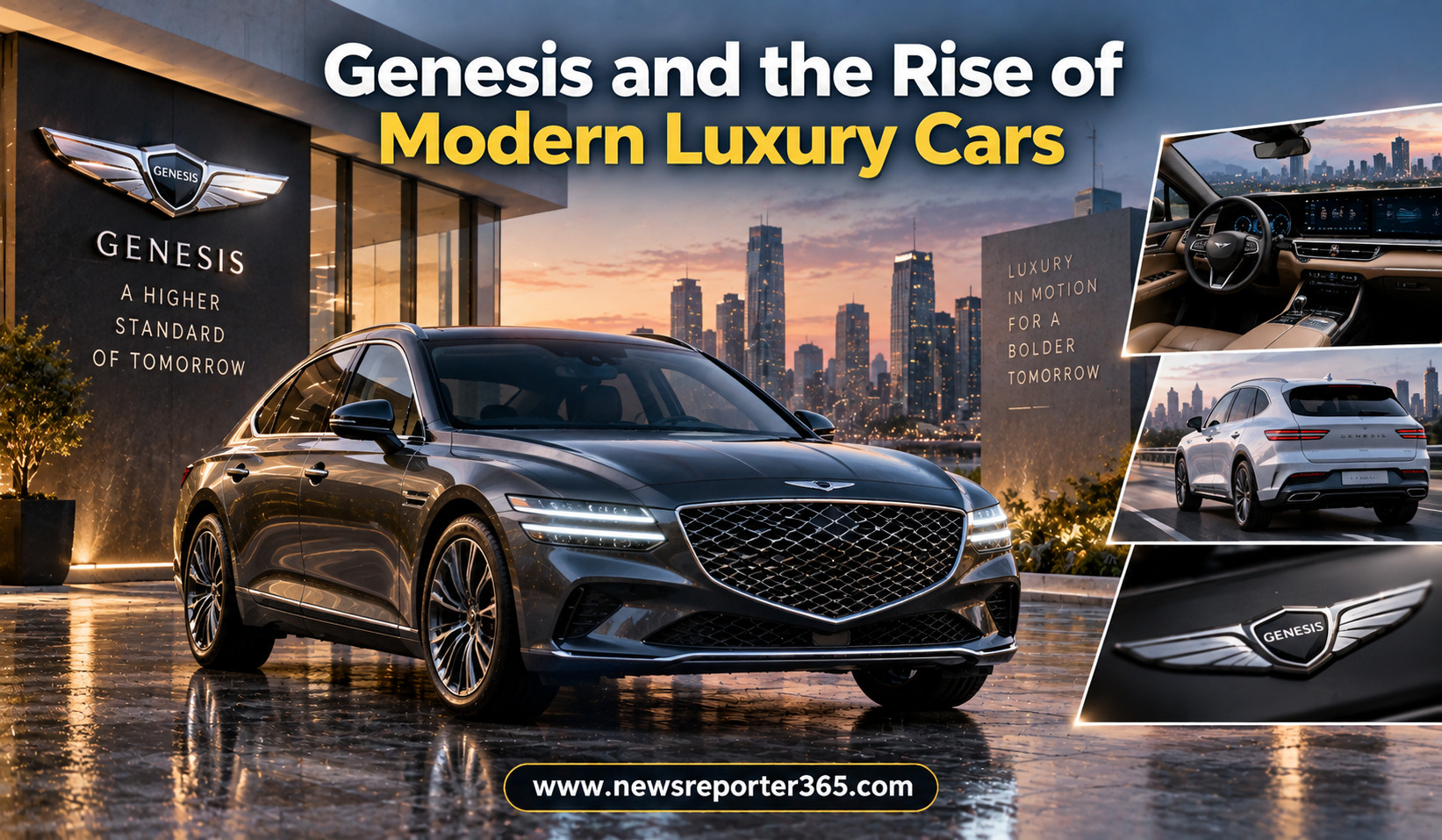
One of the most visible reasons behind Genesis’ growth has been its design philosophy. The brand has developed a distinctive appearance that separates its vehicles from both Hyundai products and traditional European luxury cars.
The front grille, split lighting designs and carefully sculpted bodywork have become recognizable elements across the range. Instead of copying the styling approach of established competitors, Genesis has tried to create a visual identity of its own.
Inside, the design continues with an emphasis on clean surfaces, premium materials and carefully integrated technology. The objective is to create a cabin that feels sophisticated without becoming visually overwhelming.
This design-led strategy is particularly important in the modern luxury market, where buyers increasingly view the interior as a major part of a vehicle’s identity.
A Focus on Comfortable Luxury
Genesis has also placed strong emphasis on comfort. Luxury buyers increasingly expect their vehicles to provide a relaxing environment for both short city journeys and long-distance travel.
The brand’s vehicles typically focus on quiet cabins, supportive seating and smooth ride quality. This approach differs slightly from the performance-first character associated with some traditional luxury brands.
For Genesis, luxury is often presented as an experience rather than simply a specification sheet. Materials, seating, lighting, sound insulation and technology are designed to work together.
That strategy has helped the brand appeal to buyers who want premium transportation without necessarily seeking an aggressive driving experience.
Genesis Model Range Is Expanding
The Genesis portfolio has expanded beyond its original sedan offerings and now includes several SUVs and electrified models. Vehicles such as the Genesis G70, Genesis G80 and Genesis G90 provide options for customers looking for traditional luxury sedans.
The SUV range includes the Genesis GV70 and Genesis GV80. These models reflect the growing importance of SUVs in the premium market.
Genesis has also developed electrified versions of several models, showing that the company intends to participate in the transition toward electric mobility rather than treating electrification as a separate business direction.
Technology Is Central to Modern Genesis Models
Technology has become one of the defining characteristics of modern luxury vehicles. Buyers expect large displays, connected services, advanced audio systems and sophisticated driver-assistance technologies.
Genesis has embraced this trend with digital instrument displays, large infotainment systems, connected-car functions and advanced safety technology depending on the model and market.
However, technology alone does not define luxury. A large screen can make a dashboard look modern, but the quality of its software, responsiveness and ease of use determine whether it actually improves the ownership experience.
Genesis has therefore attempted to combine digital technology with physical design details and premium materials, creating a cabin that balances modern features with traditional luxury elements.
Genesis and the Changing Definition of Luxury
The traditional luxury-car formula often relied on brand heritage, expensive materials and powerful engines. Modern buyers are increasingly looking for something broader.
A premium vehicle now needs to offer a combination of technology, comfort, connectivity, efficiency and personalisation. Electrification has added another dimension, with quiet electric powertrains naturally complementing the luxury emphasis on refinement.
Genesis fits into this changing market particularly well because it does not carry the same historical expectations as some established luxury manufacturers. It can therefore build its brand around a more contemporary interpretation of premium mobility.
This does not mean traditional luxury has disappeared. Instead, the definition of luxury is becoming broader.
Genesis vs Traditional Luxury Brands
Genesis competes in areas occupied by established premium manufacturers such as Mercedes-Benz, BMW and Audi. Each brand brings a different approach to the luxury market.
| Brand | Broad Luxury Focus | Key Character |
| Genesis | Design, comfort and technology | Modern luxury |
| Mercedes-Benz | Comfort, prestige and technology | Traditional luxury with innovation |
| BMW | Performance and technology | Driver-focused luxury |
| Audi | Design and digital technology | Contemporary premium experience |
These descriptions are broad brand characteristics, and individual models can differ significantly. Genesis’ biggest challenge is competing not only against vehicles but also against the established brand recognition of its rivals.
Electrification Could Strengthen Genesis’ Position
The move toward electric vehicles is changing the competitive landscape. Electric powertrains can deliver smooth acceleration and low noise, qualities that naturally suit luxury vehicles.
Genesis has introduced electric models as part of its wider electrification strategy. This gives the company an opportunity to build a modern luxury identity around quiet performance, digital technology and new vehicle architectures.
Electric vehicles also change what buyers expect from premium cars. Traditional indicators such as engine size become less important, while battery range, charging speed, software and cabin technology become increasingly relevant.
For a relatively young luxury brand, this transition could represent an opportunity to compete with established manufacturers on more equal terms.
Customer Experience Is Part of the Product
Modern luxury is not limited to what happens behind the steering wheel. Customers increasingly expect convenient purchasing, servicing and ownership experiences.
Genesis has attempted to differentiate itself through a more customer-focused approach in markets where its services are available. The company has explored retail and ownership models designed to make the premium buying experience more convenient.
This is important because luxury customers are often paying for more than transportation. They are also paying for convenience, attention and a sense of exclusivity.
The exact customer experience varies depending on market and dealership structure, but the broader trend is clear: premium brands increasingly compete on service as well as vehicles.
Four Factors Behind Genesis’ Growing Appeal
The brand’s rise can broadly be linked to four areas:
- Distinctive design: Genesis has developed a recognizable visual identity instead of relying heavily on traditional luxury styling.
- Premium interiors: Materials, comfort and technology are combined to create a sophisticated cabin environment.
- Modern technology: Connected features, digital displays and advanced safety systems are increasingly central to its vehicles.
- Electrification: Electric and electrified models allow Genesis to participate in the next phase of luxury mobility.
Can Genesis Challenge Established Luxury Brands?
Genesis has already demonstrated that a newer luxury brand can attract attention in a highly competitive market. Its challenge now is to build long-term brand recognition and customer loyalty.
Established manufacturers benefit from decades of motorsport history, cultural recognition, extensive dealer networks and loyal customers. Genesis does not have the same heritage, but its relative youth can also be an advantage.
The company can continue developing a modern identity without being restricted by traditional expectations. If it maintains strong design, product quality, technology and customer service, it has the potential to strengthen its position in the global luxury market.
What Makes Modern Luxury Different?
The rise of Genesis is part of a larger shift in the automotive industry. Luxury buyers are no longer judging vehicles purely by badge value. Design, digital technology, comfort, sustainability and ownership convenience are becoming increasingly important.
This creates opportunities for brands that can offer a convincing alternative to traditional luxury. Genesis is one of the clearest examples of this trend because it has attempted to build its reputation around contemporary values rather than simply competing through heritage.
Its future success will depend on how effectively it continues to evolve as the luxury market moves toward electric vehicles, software-driven features and more personalised ownership experiences.
Conclusion
Genesis represents a new generation of luxury-car manufacturers challenging the established order. Its combination of distinctive design, premium interiors, technology, comfort and electrification has helped it establish a recognisable position in a crowded market.
The brand does not attempt to replicate the exact formula used by traditional European luxury manufacturers. Instead, it offers a more contemporary interpretation of premium motoring, with an emphasis on clean design, advanced technology and a comfortable driving experience.
As the automotive industry moves further toward electrification and software-based features, Genesis could benefit from its relatively young identity. The brand still faces the challenge of building the same level of recognition and loyalty enjoyed by long-established competitors, but its progress demonstrates that modern luxury is no longer defined by heritage alone.
FAQs
Is Genesis a luxury car brand?
Yes. Genesis is the dedicated luxury automotive brand of Hyundai Motor Group and competes with established premium manufacturers globally.
What is Genesis known for?
Genesis is known for distinctive design, premium interiors, comfort, technology and an expanding range of electrified vehicles.
Is Genesis competing with BMW and Mercedes-Benz?
Yes. Genesis positions several of its models against premium vehicles from brands such as BMW, Mercedes-Benz and Audi.
Does Genesis make electric cars?
Yes. Genesis has developed fully electric models as part of its broader electrification strategy. Availability varies by market.
Why are Genesis interiors considered premium?
Genesis focuses on material quality, cabin design, comfortable seating, digital technology and detailed finishes to create an upscale interior experience.