

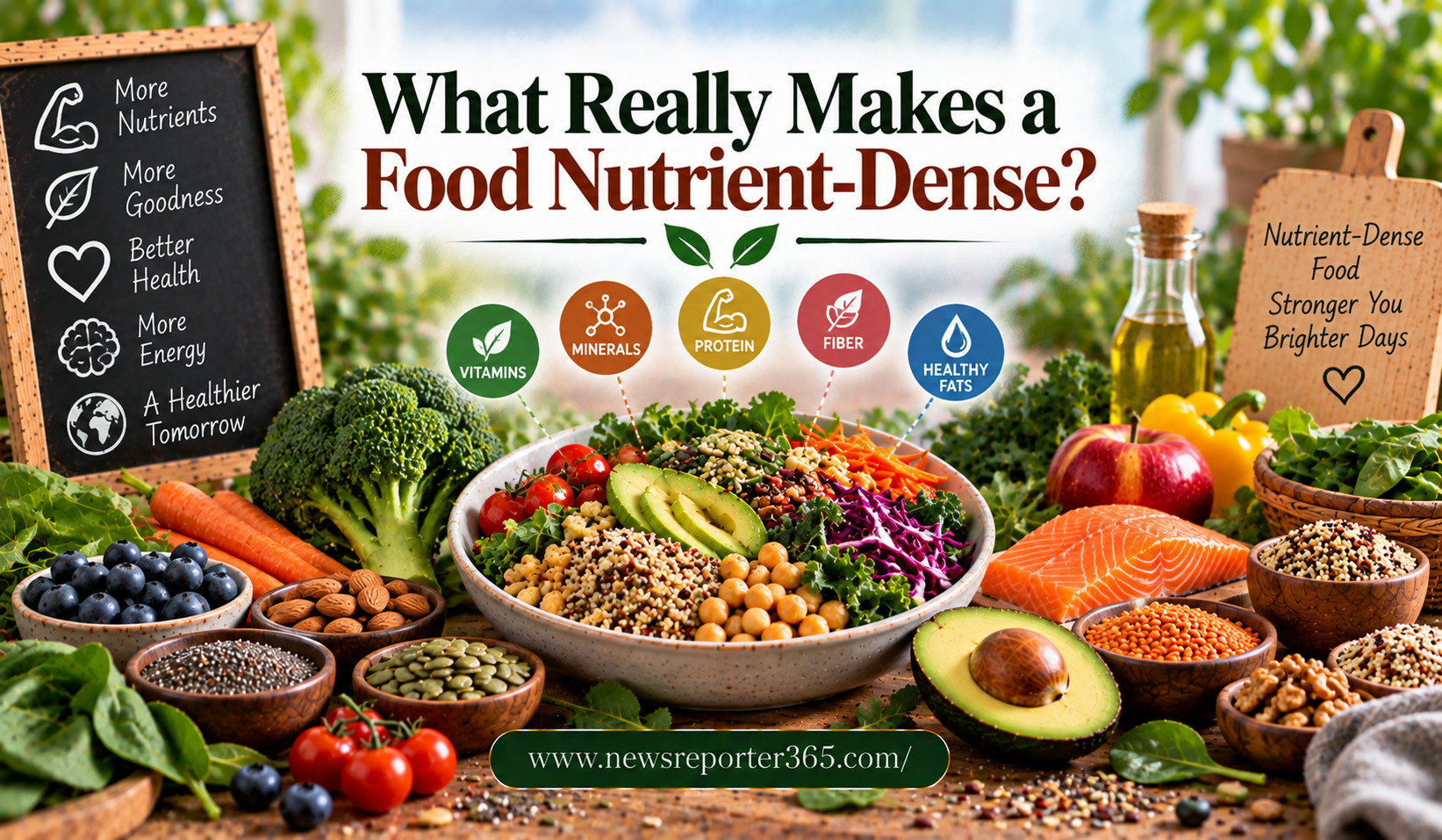
The term “nutrient-dense” has become increasingly common as consumers pay closer attention to what they eat. Food labels, wellness content, nutrition apps and social media discussions often highlight foods that provide a high amount of vitamins, minerals, protein, fibre and other useful nutrients. But nutrient density is more than simply calling a food “healthy.” It is a way of looking at how much nutritional value a food provides compared with the calories it contains.
As interest in balanced eating continues to grow, understanding nutrient density can help consumers make more informed food choices. It also explains why foods such as leafy vegetables, fruits, legumes, eggs, nuts, seeds, whole grains and seafood frequently appear in discussions about nutritious diets.
Understanding Nutrient Density
Nutrient density generally refers to the amount of beneficial nutrients a food provides relative to its calorie content. A nutrient-dense food can supply several important nutrients without contributing a large number of calories.
For example, leafy green vegetables can provide vitamins, minerals and fibre while being relatively low in calories. In contrast, some highly processed foods may provide plenty of calories but comparatively fewer vitamins and minerals.
This does not mean that foods with higher calorie content have no nutritional value. Nuts, seeds, avocados and oils, for example, contain useful fats and other nutrients but are also energy-dense. The important point is that different foods contribute different combinations of nutrients to the overall diet.
More Than Just Vitamins and Minerals
When people think about nutrition, vitamins and minerals are often the first things that come to mind. However, nutrient density involves a much broader range of components.
Protein, fibre, essential fatty acids and certain plant compounds can also contribute to the nutritional value of a food. Some foods may be particularly useful because they provide several of these components together.
For instance, beans can provide protein, fibre, minerals and complex carbohydrates. Eggs contain protein along with several vitamins and minerals. Fruits can provide fibre, vitamins, minerals and naturally occurring plant compounds.
This broader perspective is important because no single nutrient determines whether a food deserves a place in a balanced diet.
Why Whole Foods Often Stand Out
Minimally processed foods frequently feature in nutrient-density discussions because they can retain a broad combination of naturally occurring nutrients. Vegetables, fruits, pulses, whole grains, fish, eggs, dairy products, nuts and seeds all offer different nutritional profiles.
Processing itself is not automatically negative. Some forms of processing can improve safety, convenience or digestibility. Frozen vegetables, for example, can still be nutritious and may provide a practical alternative to fresh produce. Similarly, pasteurised milk and canned beans can make nutritious foods easier to store and use.
The bigger consideration is what happens to the food during processing. Products that contain large amounts of added sugar, sodium or refined ingredients may provide fewer nutrients per calorie than foods built around nutrient-rich ingredients.
The Role of Protein
Protein is one of the major nutrients that can influence the nutritional value of a meal. It is needed for maintaining and repairing body tissues and plays several other roles in normal body function.
Animal-based foods such as eggs, fish, dairy and lean meats can provide protein alongside other nutrients. Plant foods such as lentils, beans, chickpeas, soy products, nuts and seeds also contribute protein.
A nutrient-dense meal does not necessarily need to contain one specific protein source. Instead, variety can help people obtain a wider range of nutrients throughout the day.
Fibre Adds Another Layer of Value
Fibre is another important part of the nutrient-density conversation. It is naturally found in foods such as vegetables, fruits, legumes, whole grains, nuts and seeds.
Foods containing fibre can contribute to digestive health and can also make meals more filling. This is one reason why whole or minimally processed plant foods frequently appear in balanced eating patterns.
A food does not need to be exceptionally high in fibre to be useful. What matters is the overall dietary pattern and the combination of foods consumed regularly.
A Look at Common Nutrient-Dense Foods
Different food groups provide different nutritional advantages. Rather than searching for one “perfect” food, consumers can build variety into their meals.
| Food group | Nutrients commonly provided | Everyday examples |
| Leafy vegetables | Folate, vitamin K, fibre and minerals | Spinach, kale, fenugreek |
| Fruits | Fibre, vitamins and plant compounds | Oranges, berries, guava |
| Legumes | Protein, fibre, iron and folate | Lentils, chickpeas, beans |
| Whole grains | Fibre, carbohydrates and minerals | Oats, brown rice, millets |
| Nuts and seeds | Healthy fats, protein and minerals | Almonds, walnuts, chia seeds |
| Eggs | Protein, vitamins and minerals | Boiled or cooked eggs |
| Fish | Protein and, depending on the type, omega-3 fats | Sardines, salmon, mackerel |
| Dairy foods | Protein, calcium and other nutrients | Milk, curd, yogurt |
The table also demonstrates why variety matters. Different foods bring different nutritional strengths, so relying heavily on a single ingredient can leave gaps in the overall diet.
Calories Still Matter, But They Are Not the Whole Story
One common misunderstanding is that nutrient-dense foods must always be low in calories. That is not necessarily true.
Nuts and seeds are good examples. They contain valuable fats, protein, fibre and minerals, but they also provide a considerable amount of energy in a relatively small serving. Their nutritional value does not disappear because they contain calories.
Similarly, whole grains provide carbohydrates that supply energy while also contributing fibre and other nutrients. A balanced diet needs energy as well as micronutrients.
The better question is often what nutrients a food provides in relation to its calories and how it fits into the overall meal.
Food Preparation Can Change the Picture
How a food is prepared can affect its nutritional profile. Cooking methods, added ingredients and portion sizes all matter.
Vegetables can be steamed, roasted, sautéed or incorporated into soups and curries. The nutritional outcome can vary depending on the cooking process and what is added to the dish.
Deep-frying, heavy sauces or large amounts of added sugar can significantly increase the calorie content of an otherwise nutrient-rich ingredient. On the other hand, simple preparation methods can make it easier to retain the food’s original nutritional character.
This does not mean people need to avoid richer cooking methods completely. Instead, preparation should be considered alongside the food itself.
Nutrient Density and Modern Eating Habits
Busy lifestyles have changed how many people approach food. Convenience often plays an important role in purchasing decisions, and consumers increasingly look for products that combine practicality with nutritional value.
This has contributed to interest in foods such as oats, millets, nuts, seeds, Greek-style yogurt, legumes and frozen vegetables. Packaged foods can also be nutrient-dense when they are made primarily from nutritious ingredients and have a suitable nutritional profile.
Reading the nutrition label can therefore be more useful than judging a product solely by marketing terms such as “natural,” “healthy” or “superfood.”
Four Simple Ways to Think About Nutrient Density
When comparing foods, consumers can consider:
- Nutrients: What vitamins, minerals, protein, fibre or healthy fats does the food provide?
- Calories: How much energy comes with the serving?
- Processing: Has the food been heavily refined or does it retain much of its original nutritional profile?
- Overall diet: Does the food add variety to the nutrients already being consumed?
These questions provide a more practical approach than searching for a single food that supposedly contains everything the body needs.
Are “Superfoods” Always More Nutrient-Dense?
The popularity of the term “superfood” can sometimes make nutrition seem more complicated than it is. Foods such as berries, chia seeds, quinoa and certain traditional ingredients may contain valuable nutrients, but that does not automatically make them essential.
Common foods can also be highly nutritious. Lentils, spinach, tomatoes, eggs, curd, seasonal fruits and whole grains can all contribute meaningful nutrients to everyday meals.
Cost and availability also matter. A nutritious food that is affordable and regularly available may be more practical than an expensive imported ingredient that is used occasionally.
Why Variety Remains Important
Nutrient density should ultimately be considered across the diet rather than judged food by food. Different ingredients contain different nutrients, and eating a broad range of foods can help create a more balanced nutritional pattern.
For consumers, this means there is no need to constantly search for the newest health trend. Building meals around vegetables, fruits, whole grains, legumes, protein sources, nuts, seeds and other nutritious foods can provide a strong foundation.
Traditional cuisines around the world already demonstrate this principle. Many meals combine several food groups in one dish, creating nutritional variety without relying on a single fashionable ingredient.
Conclusion
What makes a food nutrient-dense is not a fashionable label or the presence of one celebrated nutrient. It is the combination of useful nutrients a food provides in relation to its calorie content and its role within the wider diet.
Protein, fibre, vitamins, minerals and beneficial fats can all contribute to nutritional value. At the same time, preparation methods, processing, portion size and dietary variety can influence how foods fit into everyday eating habits.
As interest in nutrition continues to grow, understanding nutrient density can help consumers move beyond simple “good food” and “bad food” thinking. Instead of searching for one perfect ingredient, a varied diet built around nutrient-rich foods can offer a more practical and sustainable approach to everyday nutrition.
FAQs
What is a nutrient-dense food?
A nutrient-dense food provides a relatively high amount of beneficial nutrients compared with the calories it contains. Nutrients can include protein, fibre, vitamins, minerals and certain types of healthy fats.
Are all low-calorie foods nutrient-dense?
No. A food can be low in calories without providing many essential nutrients. Nutrient density considers both the nutritional content and the amount of energy provided.
Are fruits and vegetables nutrient-dense?
Many fruits and vegetables provide vitamins, minerals, fibre and other beneficial plant compounds while generally being relatively low in calories. However, their nutritional profiles differ, which is why variety is useful.
Are nuts considered nutrient-dense?
Nuts can provide protein, fibre, unsaturated fats and several minerals. They are also relatively high in calories, so portion size and the overall diet are relevant.