

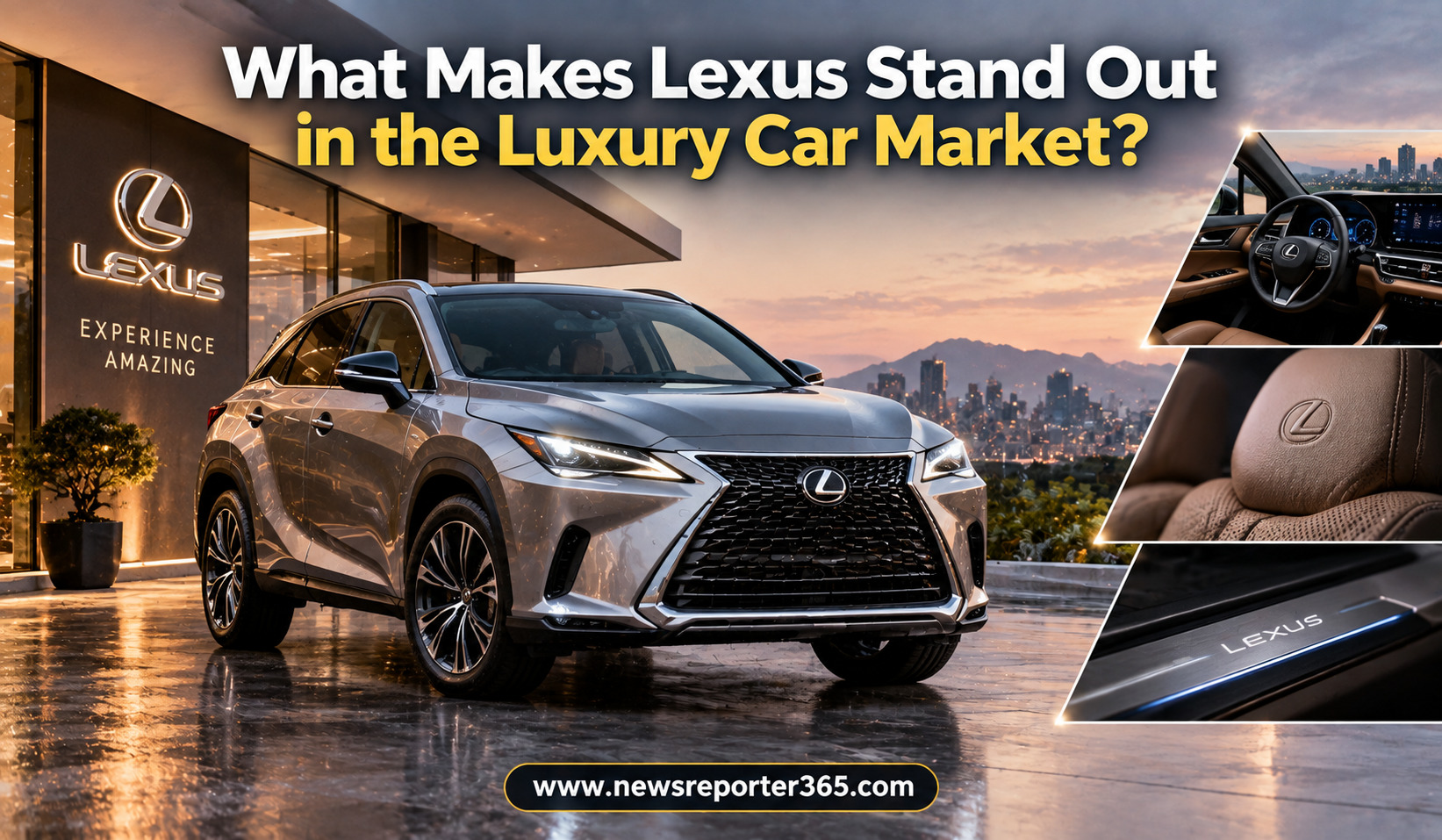
The luxury car market is filled with brands competing on performance, technology, design and exclusivity. Yet Lexus has developed a distinct identity by focusing on refinement, reliability, comfort and a calm driving experience. Rather than trying to compete only through outright performance, the Japanese luxury brand has built its reputation around attention to detail and a strong emphasis on passenger comfort.
Lexus has also become increasingly relevant as the premium automotive industry moves toward electrification. Its hybrid technology, growing electric vehicle portfolio and continued focus on efficient powertrains allow the brand to address changing consumer expectations while maintaining its traditional luxury character.
For buyers considering a premium vehicle, Lexus stands out because its approach to luxury is not simply about adding more features. It is about creating an ownership experience that combines sophisticated design, quietness, technology and everyday usability.
A Different Interpretation of Luxury
Luxury can mean different things to different car buyers. Some associate it with powerful engines and sporty handling, while others prioritise comfortable seats, a quiet cabin and smooth performance. Lexus has traditionally focused strongly on the latter.
Its vehicles are designed to provide a relaxed and refined driving experience. The emphasis on reducing noise, vibration and harshness helps create an environment where occupants can travel comfortably, particularly on long journeys.
This approach gives Lexus a different position from brands that place greater emphasis on aggressive styling or performance-focused driving dynamics. The result is a luxury experience that can appeal to buyers looking for sophistication without unnecessary drama.
Japanese Design and Attention to Detail
Lexus vehicles have developed a recognisable design language over the years. Sharp lines, distinctive lighting elements and carefully sculpted bodywork give the cars a strong road presence while retaining a premium character.
Inside the cabin, Lexus focuses on materials, textures and detailing. The design philosophy is influenced by Japanese craftsmanship, with attention given to the way different materials interact with each other.
The idea is not simply to make the dashboard visually impressive. Details such as stitching, trim finishes, switch placement and seat design contribute to the overall sense of quality.
Comfort Is at the Centre of the Lexus Experience
One of the strongest characteristics associated with Lexus is comfort. The brand places considerable emphasis on seats, suspension tuning and cabin refinement.
Luxury buyers often spend significant amounts of time inside their vehicles, making everyday comfort an important part of the ownership experience. Lexus models are generally designed to provide a smooth and composed ride while keeping unwanted road noise away from passengers.
This focus can be particularly appealing to customers who use their vehicles for business travel, family journeys or long-distance driving. Instead of making every drive feel sporty, Lexus often aims to make it effortless.
Lexus and Hybrid Technology
Hybrid technology has become an important part of Lexus’ identity. The brand has used hybrid powertrains across several segments, offering buyers an alternative to conventional petrol-powered luxury vehicles.
The hybrid approach combines an internal-combustion engine with electric assistance to improve efficiency and provide smooth power delivery. One of its key characteristics is the quiet and seamless way the powertrain can operate in certain driving conditions.
This technology has helped Lexus build a reputation for offering electrified luxury without requiring buyers to immediately move to a fully electric vehicle.
As the automotive industry continues shifting toward electrification, Lexus is also expanding its range of battery-electric and electrified models.
Lexus Models Cover Different Luxury Segments
Lexus has built a diverse portfolio covering SUVs, sedans, performance-oriented models and electrified vehicles. In markets such as India, models including the Lexus ES, Lexus NX, Lexus RX and Lexus LM demonstrate the brand’s broad approach to premium mobility.
The ES focuses strongly on comfort and refinement, while the NX offers a more compact SUV format. The RX sits higher in the luxury SUV space and combines spaciousness with premium technology.
The LM takes the concept of luxury in a different direction by placing a strong emphasis on rear-seat comfort. This variety allows Lexus to appeal to customers with different requirements rather than depending on a single type of vehicle.
Premium Technology Without Losing Usability
Technology is now an essential part of luxury cars, but Lexus generally places emphasis on integrating technology into the overall driving experience.
Modern Lexus vehicles can offer large infotainment displays, connected-car functions, digital instrument systems, advanced driver assistance and premium audio systems depending on the model and variant.
The important factor is that technology should improve convenience rather than make the cabin unnecessarily complicated. Features such as smartphone connectivity, navigation, climate controls and driver-assistance systems are increasingly expected in premium vehicles.
Lexus’ challenge, like that of other luxury manufacturers, is balancing the growing number of digital features with the physical controls and usability that drivers still appreciate.
Lexus Safety and Driver Assistance
Safety has become a major consideration in the premium segment. Lexus vehicles are equipped with a range of active and passive safety technologies, with availability varying between models and markets.
Driver-assistance technologies can help monitor surrounding traffic, provide warnings and assist with certain driving situations. These systems are designed to support the driver rather than replace human attention.
For luxury buyers, safety technology can add another layer of confidence, particularly when driving in congested urban traffic or travelling on highways.
What Separates Lexus From Other Luxury Brands?
Lexus competes with established premium manufacturers such as Mercedes-Benz, BMW and Audi. Each brand has its own interpretation of premium motoring.
Mercedes-Benz is widely associated with luxury and comfort, BMW traditionally emphasises driving dynamics, while Audi places strong attention on design and technology. Lexus takes a different route by combining Japanese craftsmanship, quietness, hybrid expertise and long-term ownership appeal.
| Luxury Brand | Major Brand Strength | Typical Luxury Focus |
| Lexus | Refinement and hybrid technology | Comfort and craftsmanship |
| Mercedes-Benz | Luxury and innovation | Comfort and technology |
| BMW | Driving dynamics | Performance and technology |
| Audi | Design and technology | Interior design and digital features |
These are broad brand characteristics rather than fixed rules. Individual models can differ significantly in driving behaviour, equipment and positioning.
Reliability Remains an Important Lexus Advantage
Reliability has traditionally been one of the major factors associated with Lexus. The brand benefits from its connection to Toyota, a manufacturer with extensive experience in mass-market and electrified vehicle engineering.
Luxury cars can involve complex technology and expensive components, so perceived reliability can become an important factor for buyers considering long-term ownership.
However, reliability depends on the individual vehicle, maintenance history, usage and servicing. Buyers should still follow manufacturer maintenance schedules and evaluate the specific model before making a purchase.
Lexus Ownership Is About More Than the Car
A luxury purchase is rarely based only on specifications. Buyers also consider dealership experience, servicing, warranty support and how easy the vehicle is to live with.
Lexus has attempted to build its identity around a premium ownership experience, with attention to customer service and after-sales support forming part of the brand proposition.
For many customers, this can be just as important as the design of the vehicle itself. A comfortable ownership journey can strengthen the feeling that the car represents a genuine premium product.
Four Reasons Buyers Consider Lexus
The brand’s appeal can broadly be understood through four major areas:
- Refined driving experience: Lexus places strong emphasis on smoothness, quietness and ride comfort.
- Hybrid expertise: Electrified powertrains have been an important part of the brand’s product strategy for years.
- Craftsmanship and design: Japanese-inspired detailing and distinctive styling help Lexus establish its own visual identity.
- Long-term ownership appeal: Reliability and customer experience remain important parts of the brand’s reputation.
Lexus Is Moving Towards an Electrified Future
The luxury market is undergoing a major transformation as manufacturers invest heavily in electric vehicles. Lexus is responding with hybrid, plug-in hybrid and battery-electric technologies across its global portfolio.
This transition allows the brand to retain its focus on quiet and smooth transportation while adapting to changing emissions requirements and consumer preferences.
Electric powertrains also fit naturally with the Lexus philosophy of quietness and smooth acceleration. However, the company still faces the same challenges as other manufacturers, including charging infrastructure, battery costs and consumer acceptance.
The future Lexus range is therefore likely to combine different forms of electrification rather than relying on a single powertrain technology.
Is Lexus the Right Luxury Brand for Everyone?
Lexus may not be the ideal choice for every luxury-car buyer. Someone who prioritises aggressive handling, track-inspired performance or a particular European driving character may prefer another brand.
However, buyers who value comfort, quietness, premium craftsmanship and smooth power delivery may find Lexus particularly appealing.
The brand’s strength lies in offering a different interpretation of luxury rather than attempting to imitate every competitor. That distinct identity has helped Lexus establish a strong position in the global premium automotive market.
Conclusion
Lexus stands out in the luxury car market because it approaches premium motoring from a different perspective. Instead of focusing exclusively on performance or visual status, the brand places considerable emphasis on comfort, refinement, craftsmanship, technology and electrification.
Its hybrid expertise has also given the company a distinctive position as the industry moves toward cleaner powertrains. Models across the Lexus range demonstrate how the brand combines Japanese design principles with modern luxury expectations.
For buyers searching for a premium car that feels sophisticated without being unnecessarily aggressive, Lexus offers a compelling alternative. Its combination of quiet performance, thoughtful interiors, electrified powertrains and ownership-focused philosophy continues to give the brand a distinct identity in a highly competitive luxury market.
FAQs
What is Lexus best known for?
Lexus is particularly known for refinement, comfort, quiet cabins, Japanese-inspired craftsmanship and hybrid technology.
Is Lexus considered a luxury car brand?
Yes. Lexus is Toyota’s luxury automotive brand and competes with premium manufacturers such as Mercedes-Benz, BMW and Audi.
Are Lexus cars reliable?
Lexus has a strong reputation for reliability, although actual ownership dependability varies by model, maintenance and usage.
Why are Lexus hybrid cars popular?
Lexus hybrid systems are designed to combine petrol-engine performance with electric assistance, offering smooth power delivery and improved efficiency in suitable driving conditions.
Is Lexus more comfortable than German luxury cars?
Comfort varies by model and individual preference. Lexus generally places strong emphasis on ride quality, quietness and relaxed driving, while German brands may offer different balances of comfort, performance and technology.