

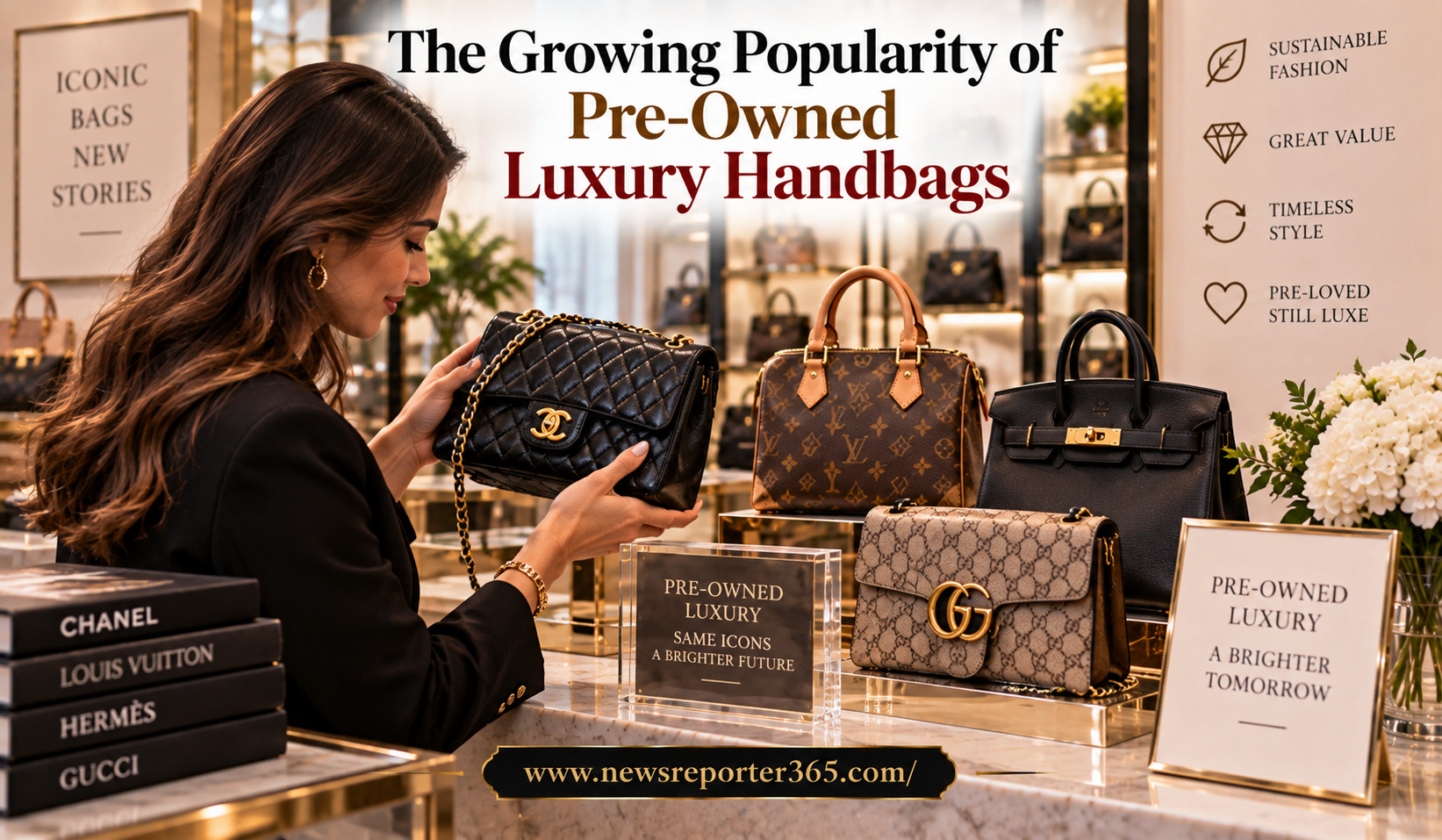
Pre-owned luxury handbags are becoming an increasingly visible part of the fashion market. What was once viewed mainly as an option for shoppers looking for lower prices has developed into a broader movement around value, sustainability, vintage fashion and access to sought-after designer pieces.
Consumers today are becoming more thoughtful about how they spend on luxury products. Instead of automatically purchasing a new handbag, many shoppers are exploring pre-owned marketplaces, vintage boutiques and specialist resale platforms. This shift has created a stronger secondary market for handbags from well-known luxury fashion houses.
The appeal is not limited to affordability. Buyers may also be attracted by discontinued designs, older collections, rare colours and handbag styles that are difficult to find in current retail collections.
Why More Shoppers Are Considering Pre-Owned Bags
One of the biggest attractions of the pre-owned luxury handbag market is the opportunity to find established designs at different price points. A handbag that has already been owned may cost less than a comparable new model, although prices vary significantly according to brand, condition, rarity and demand.
For some consumers, buying pre-owned makes luxury fashion feel more accessible. Instead of focusing only on the latest collection, shoppers can explore handbags from previous seasons and discover designs that may no longer be available directly from the brand.
This has changed the way people think about luxury shopping. A pre-owned handbag is no longer necessarily seen as an outdated alternative. In many cases, it is treated as a fashion choice in its own right.
Vintage Designs Are Adding to the Appeal
Vintage fashion has become an important part of the renewed interest in pre-owned handbags. Older designs can offer shapes, colours and construction details that differ from contemporary collections.
Some shoppers specifically look for handbags from particular fashion eras. A vintage piece may also have a distinctive character that is difficult to replicate with a newly manufactured product.
This has encouraged consumers to research the history of handbags before buying. Instead of choosing only according to current trends, buyers may consider the year of production, previous collections, design changes and the overall condition of a particular piece.
The growing interest in vintage fashion therefore gives the pre-owned market a wider audience than shoppers simply looking for discounts.
Sustainability Is Influencing Buying Decisions
Sustainability is another factor contributing to the growth of the pre-owned handbag market. Extending the life of an existing product can appeal to consumers who want to reduce unnecessary consumption.
Buying a pre-owned handbag does not automatically make a purchase environmentally friendly, and the broader impact depends on factors such as transportation, restoration, packaging and how long the product continues to be used. However, the resale model supports a longer lifecycle for products that might otherwise remain unused.
Luxury handbags are particularly suited to resale because many are designed with durable materials and construction. With proper maintenance, some can remain functional and attractive for many years.
This creates a different relationship with fashion. Instead of viewing a handbag as something to replace whenever a new collection arrives, consumers can consider it a product that can move between owners.
Social Media Has Changed the Resale Conversation
Social media has also helped make pre-owned luxury fashion more mainstream. Fashion creators frequently showcase vintage handbags, styling ideas and second-hand finds, making older designs visible to audiences that may not have encountered them through traditional retail.
The visual nature of handbags makes them especially suitable for social platforms. A vintage design can be presented in a modern outfit, demonstrating that older products can still fit contemporary fashion.
Online communities also encourage discussions about condition, authenticity, pricing and restoration. Buyers can compare different versions of the same handbag and learn what details to inspect before making a purchase.
This access to information has helped reduce some of the distance between traditional luxury shopping and the secondary market.
Authenticity Remains a Major Concern
The growth of the pre-owned luxury handbag market has also made authentication increasingly important. Unlike buying directly from an established brand boutique, purchasing second-hand requires shoppers to pay closer attention to the seller and the product’s history.
A handbag’s appearance alone cannot always confirm whether it is genuine. Details such as construction, stitching, hardware, logos, materials, date or production information and overall craftsmanship may need to be examined.
Buyers should also be cautious about listings with incomplete descriptions or unusually attractive prices. A low price is not necessarily evidence of a bargain.
For expensive purchases, using a reputable resale business or professional authentication service can provide additional confidence.
Condition Has a Direct Impact on Value
Two identical handbag models can have very different resale prices because their conditions are not the same. A bag with minimal signs of use may command a significantly different price from one with heavy scratches, worn corners or damaged hardware.
Pre-owned buyers should therefore look beyond photographs. Detailed descriptions of stains, odours, scratches, colour transfer, interior wear and hardware condition can provide important information.
Some signs of use are expected in second-hand products, particularly vintage handbags. The key is understanding exactly what condition the buyer is receiving before completing the purchase.
| Factor | Why It Matters in Pre-Owned Handbags |
| Brand and model | Influences demand and recognition |
| Condition | Affects appearance and resale value |
| Age | Can increase or decrease desirability |
| Rarity | Limited or discontinued designs may attract collectors |
| Authenticity | Essential for luxury resale |
| Original accessories | Can add confidence and collectability |
| Restoration | May improve appearance but affects originality |
| Current demand | Influences resale pricing |
The Search for Rare and Discontinued Models
Another reason shoppers turn to the secondary market is availability. Luxury brands regularly update their collections, meaning certain designs eventually disappear from retail stores.
For consumers who prefer an older silhouette, the pre-owned market may be the only practical place to search. Discontinued colours, unusual materials and limited-edition releases can become particularly attractive to collectors.
This creates a market where the newest handbag is not always the most desirable. A design from several years ago may generate more interest than a current model if buyers consider it distinctive or difficult to find.
Scarcity can therefore become an important part of the value of a pre-owned handbag.
Pre-Owned Does Not Always Mean Cheap
One misconception about second-hand luxury handbags is that every pre-owned item should be significantly cheaper than a new one. In reality, the pricing structure is more complicated.
Some handbags lose value after purchase, while others can remain highly sought after. Rare colours, limited releases, discontinued designs and excellent-condition pieces may command strong prices.
Certain highly desirable handbags can even become expensive in the resale market because demand exceeds availability. Buyers should therefore research comparable listings before assuming that a pre-owned price represents a bargain.
The secondary market has become sophisticated enough that pricing is increasingly influenced by demand, condition and scarcity rather than simply the age of the product.
Restoration Is Supporting the Resale Market
Professional restoration has also become relevant as more older handbags enter the resale market. Cleaning, conditioning, edge repair, stitching work and hardware treatment can sometimes improve the appearance of a used handbag.
However, restoration should be approached carefully. Over-treatment can change the original character of a vintage piece, while poorly executed repairs may affect its future value.
A specialist should ideally assess the handbag before major restoration work begins. Buyers interested in vintage or collectible pieces may prefer original condition over extensive refinishing.
The right balance is often about preservation rather than making an old handbag look completely new.
Buyers Are Becoming More Informed
Today’s pre-owned luxury shopper has access to more information than previous generations. Online reviews, comparison tools, seller ratings, authentication services and fashion communities make it easier to research a purchase.
Before buying, shoppers commonly pay attention to:
- Seller reputation and return policies.
- Clear photographs of the entire handbag.
- Detailed information about condition and accessories.
- Authentication or verification options.
- Comparable prices for similar bags.
This research-driven approach is helping the pre-owned market become more organized and professional.
The Role of Luxury Brands
Luxury brands are also increasingly connected to the broader conversation around resale and product longevity. The growing secondary market demonstrates that consumers continue to value recognizable craftsmanship beyond the original point of sale.
For luxury companies, the resale market can strengthen the long-term visibility of older designs. A handbag that remains desirable years after its original launch can reinforce perceptions of enduring design.
At the same time, brands face questions around authentication, repairs, customer relationships and the relationship between new-product sales and second-hand transactions.
As the market develops, these areas are likely to become increasingly important.
Why the Trend Could Continue
The pre-owned luxury handbag market has several factors working in its favour. Consumers are looking for value, fashion shoppers are showing greater interest in vintage pieces, and sustainability is encouraging longer product lifecycles.
Digital marketplaces have also made it easier for buyers and sellers to connect. A shopper no longer needs to visit multiple vintage stores to find a particular handbag. Online platforms can provide access to products from different cities and countries, although buyers still need to consider shipping, taxes, returns and authentication.
The combination of convenience and variety gives pre-owned handbags a strong position within modern luxury fashion.
What Buyers Should Check Before Purchasing
A pre-owned luxury handbag can be an excellent purchase when the buyer understands exactly what they are getting. The objective should not simply be finding the lowest price, but finding the right balance between authenticity, condition, price and personal preference.
A careful inspection should focus on the handbag’s exterior, interior, stitching, hardware and areas that experience frequent wear. Buyers should also compare the seller’s description with the photographs and ask questions if important details are missing.
For higher-value purchases, additional authentication can be worthwhile. Spending more time researching before buying can help reduce the risk of receiving a handbag that does not match the listing.
Final Thoughts
The growing popularity of pre-owned luxury handbags reflects a wider change in how consumers approach fashion. Luxury is increasingly being viewed through the lens of longevity, individuality and value rather than simply newness.
For some shoppers, the attraction is affordability. For others, it is the opportunity to own a discontinued design, discover a vintage piece or participate in a more circular approach to fashion.
The secondary handbag market is likely to remain important as buyers become more informed and luxury products continue to move between owners. Whether someone is searching for a first designer handbag or a rare vintage piece, the pre-owned market offers a wider selection than traditional retail alone.
The most important consideration is informed buying. Authenticity, condition, seller reputation and realistic pricing should all be considered before making a purchase. With the right research, a pre-owned luxury handbag can become a valuable addition to a wardrobe while giving an older piece a new chapter.
FAQs
Why are pre-owned luxury handbags becoming popular?
They offer access to luxury designs from different collections and price ranges. Buyers may also be interested in vintage styles, discontinued models and the idea of extending a product’s useful life.
Are pre-owned luxury handbags worth buying?
They can be, particularly when the handbag is authentic, appropriately priced and in suitable condition. Researching the seller and product before purchasing is important.
Do pre-owned luxury handbags always cost less?
No. Some rare, discontinued or highly demanded handbags can be expensive in the resale market. Pricing depends on factors such as brand, model, condition and scarcity.
How can I check whether a pre-owned luxury handbag is authentic?
Buyers can examine construction, materials, stitching, hardware, branding and production details. For expensive purchases, professional authentication or a reputable resale specialist can provide additional confidence.
Does the condition affect the value of a pre-owned handbag?
Yes. Visible wear, stains, damaged corners, cracked leather and missing components can influence pricing. Excellent-condition pieces generally have stronger appeal, although vintage character can also be desirable.