

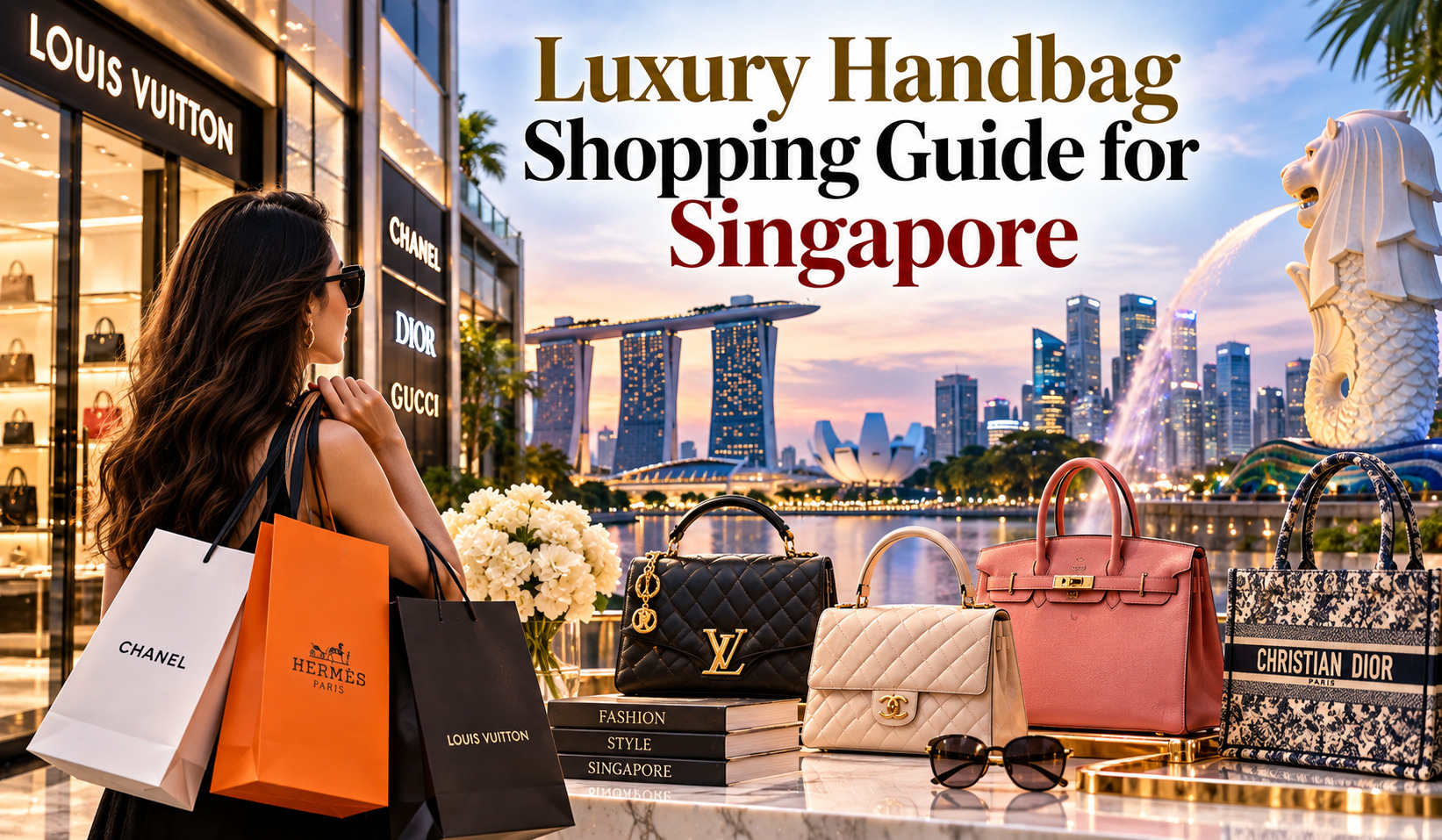
Singapore has developed into one of Asia’s leading destinations for luxury shopping, attracting both local shoppers and international visitors looking for premium fashion and designer accessories. Luxury handbags remain one of the most popular purchases, with global fashion houses offering collections across the city’s major shopping districts.
From the prestigious boutiques of Orchard Road to luxury malls around Marina Bay, shoppers can find everything from classic leather handbags to seasonal collections and limited-edition designs. However, buying a luxury handbag in Singapore requires more than simply visiting a designer store. Prices, availability, taxes, authenticity, after-sales support and payment options can all influence the final shopping decision.
For first-time buyers and experienced luxury shoppers alike, having a basic plan can make the process easier and help avoid an impulsive purchase.
Why Singapore Is Popular for Luxury Handbag Shopping
Singapore’s strong retail infrastructure makes it particularly convenient for luxury shopping. Major shopping centres bring several international fashion houses together, allowing shoppers to compare different brands without travelling long distances.
Orchard Road remains one of the city’s best-known shopping areas, with luxury boutiques and premium department stores located along the retail corridor. Marina Bay is another important destination, particularly for shoppers interested in high-end fashion and luxury lifestyle brands.
The city’s international character is also an advantage. Many stores are accustomed to serving overseas visitors, while shopping malls generally provide a polished and organised environment. For travellers with limited time, this makes Singapore a practical destination for purchasing a designer handbag.
Choosing the Right Shopping Location
Where you shop can influence the variety of products available and the overall experience. Orchard Road is a natural starting point for shoppers who want to explore several luxury brands in one trip. The area has major shopping complexes positioned relatively close to each other.
Marina Bay offers another premium shopping environment, combining luxury retail with hotels, restaurants and tourist attractions. Visitors can make handbag shopping part of a wider sightseeing itinerary.
Department stores can also be useful because they bring multiple brands under one roof. They may be particularly convenient for shoppers who are still deciding which designer handbag to purchase.
For those interested in older collections or lower prices, Singapore also has a market for pre-owned luxury goods. These stores can offer discontinued models and vintage pieces that may no longer be available at official boutiques.
New vs Pre-Owned Luxury Handbags
The decision between buying a brand-new handbag and choosing a pre-owned model largely depends on the shopper’s priorities.
A new handbag purchased directly from an authorised boutique offers the most straightforward buying experience. The shopper can select from the current collection and receive the retailer’s original documentation and packaging.
Pre-owned handbags can be more interesting for collectors or buyers searching for specific older designs. However, condition and authenticity become significantly more important. A lower price should never be the only reason for choosing a second-hand handbag.
| Buying option | Best suited for | Main consideration |
| Brand boutique | Current collections and first-time buyers | Retail price and availability |
| Luxury department store | Comparing multiple brands | Store-specific stock |
| Pre-owned specialist | Vintage and discontinued designs | Authenticity and condition |
| Resale marketplace | Wider selection | Seller reputation and verification |
Research the Handbag Before Visiting
Luxury handbags can represent a substantial financial commitment, so researching the product beforehand is one of the most useful steps.
Start by identifying the model, preferred size, colour and material. Luxury brands can offer the same design in several variations, and prices may differ considerably depending on leather, hardware and special editions.
It is also useful to compare the Singapore retail price with the price in the shopper’s home country. Currency exchange rates can change the final cost, while card foreign-exchange fees can add another expense.
Online research can also help shoppers understand the handbag’s dimensions and practical features. A small handbag may look attractive but offer limited storage, while a larger model may be more useful for everyday use.
Understand Singapore’s GST
Singapore applies Goods and Services Tax (GST) to purchases, including luxury goods. International visitors may be able to claim a refund under Singapore’s Tourist Refund Scheme when they meet the relevant eligibility requirements and purchase conditions.
The refund process is an important consideration for travellers buying expensive handbags because even a partial recovery of GST can affect the overall cost. However, shoppers should not automatically assume that the entire GST amount will be returned.
The refund amount can depend on applicable administrative fees and the method used to process the refund. Travellers should therefore check the current requirements and refund arrangements before making a high-value purchase.
The purchase documentation should also be retained until the traveller has completed the relevant departure procedures.
Check Tourist Refund Eligibility Before Paying
Visitors who intend to use Singapore’s tourist tax-refund system should check their eligibility before completing the purchase. Participating retailers can provide information about the required process and documentation.
Travellers should generally:
- Carry the required travel identification when making the purchase.
- Ask the retailer about tourist GST refund eligibility before paying.
- Keep receipts and electronic refund documentation safely.
- Complete the required refund procedure before departure.
Rules and procedures can change, so buyers should verify the latest information through Singapore’s official tourism or customs-related resources before travelling.
Don’t Assume Every Popular Bag Is Available
One of the biggest challenges when shopping for luxury handbags is availability. A brand may operate several boutiques in Singapore, but that does not mean every store will have the same stock.
Popular colours and highly sought-after models can sell quickly. Seasonal collections may also arrive at different times, while limited editions can be difficult to find.
If a particular handbag is the main reason for the shopping trip, it is better to research the available boutiques beforehand. Having a few alternative choices is also useful.
For example, if a preferred colour is unavailable, a different neutral shade may offer similar versatility. Likewise, shoppers can consider another size or material rather than buying a completely different handbag simply because it is immediately available.
Inspect the Handbag Before Leaving the Store
A luxury handbag should be examined carefully before the purchase is finalised. Even when shopping at an established retailer, customers should confirm that the product matches what they selected.
Pay attention to the stitching, leather surface, hardware, handles, interior and overall finish. Buyers should also check the model name, size and colour against their order or receipt.
For pre-owned handbags, the inspection should be more detailed. Signs of wear can include scratches, corner damage, marks inside the bag, hardware fading or changes to the leather caused by storage.
Buyers should also ask about the retailer’s return policy and after-sales support. Luxury handbags can require maintenance over time, so understanding what services are available can be valuable.
Think About Long-Term Use
A luxury handbag should ideally be considered as a long-term purchase rather than simply a souvenir from Singapore.
Classic colours such as black, brown and other neutral tones can be easier to incorporate into different outfits, while seasonal colours and distinctive designs may appeal more to collectors or shoppers who want a statement piece.
The intended use should also influence the choice. Someone looking for an everyday handbag may prioritise durability, comfortable handles and internal storage. A handbag for evening occasions may place greater emphasis on size, design and appearance.
Before buying, consider how frequently the bag is likely to be used and whether it fits the buyer’s existing wardrobe.
Payment and Currency Considerations
International shoppers should consider how they will pay for a luxury handbag. Credit and debit cards are widely used in Singapore, but foreign transaction fees and currency-conversion rates can affect the final amount.
For a high-value purchase, buyers should check their card’s international spending limits before travelling. It can also be useful to understand whether the retailer processes the payment in Singapore dollars or offers another currency option.
Paying attention to the final amount charged by the card issuer is important because the advertised handbag price does not necessarily represent the exact amount that will appear on an overseas bank statement.
Keep All Purchase Documents
After buying a luxury handbag, shoppers should keep the receipt, tax-refund documents, warranty information and any other paperwork supplied by the retailer.
These documents can become important if the buyer needs after-sales assistance or wants to insure the handbag. They can also help establish the product’s purchase history if the owner later decides to resell it.
For travellers, keeping documents accessible during the journey is particularly important until any applicable tax-refund procedure has been completed.
Consider Import Rules When Returning Home
A Singapore purchase does not automatically mean the handbag can enter another country without additional requirements. Travellers should check the customs and duty rules of the country they are returning to.
This is especially important for expensive luxury products. Personal allowances and import thresholds vary by country, and tax-refund rules in Singapore are separate from customs requirements in the destination country.
Checking these rules before purchasing can prevent an unexpected cost when returning home.
Is Singapore a Good Place to Buy a Luxury Handbag?
Singapore can be an attractive luxury-shopping destination because it combines a strong selection of international brands with modern shopping centres and convenient access to premium retail.
However, the best purchase is not necessarily the one with the biggest brand name. Buyers should compare prices, understand GST-refund eligibility, check availability and think about how frequently they will actually use the handbag.
For tourists, Singapore can also provide a convenient opportunity to explore multiple brands during a short trip. With some preparation, shoppers can turn a potentially expensive impulse purchase into a more considered investment in personal style.
Final Thoughts
Luxury handbag shopping in Singapore offers plenty of choice, but preparation remains the key to making a sensible purchase. The city’s major shopping districts provide access to established fashion houses, while department stores and pre-owned specialists offer additional options.
Understanding GST and the tourist refund process is particularly important for international visitors. At the same time, buyers should consider currency conversion, card fees and the customs rules that apply when returning home.
Whether the goal is a timeless everyday handbag, a seasonal designer piece or a vintage model, shoppers should focus on authenticity, condition, practicality and long-term value.
Singapore’s luxury retail environment makes the experience convenient, but taking time to research the product and compare options can make the final decision much more rewarding.
FAQs
Is Singapore a good destination for luxury handbag shopping?
Yes. Singapore has a well-developed luxury retail market, with major designer boutiques, department stores and pre-owned luxury retailers concentrated in key shopping areas.
Can tourists claim GST back on luxury handbags in Singapore?
Eligible international visitors may be able to claim a GST refund through Singapore’s Tourist Refund Scheme when the relevant requirements are met. The exact eligibility and refund procedure should be checked before purchasing.
Should I buy a new or pre-owned handbag?
A new handbag is generally the simpler choice for buyers who want a current collection and direct boutique experience. Pre-owned handbags can be attractive for collectors seeking vintage or discontinued designs, but authentication and condition require closer attention.
Which colour is best for a first luxury handbag?
Neutral colours such as black, brown and similar versatile shades are often easier to use with different outfits. However, the best colour ultimately depends on personal style and intended use.
What should I check before buying a luxury handbag?
Check the model, size, colour, material, stitching, hardware, interior, accessories and purchase documentation. For pre-owned bags, also examine signs of wear and ask about authenticity guarantees.