

Introduction
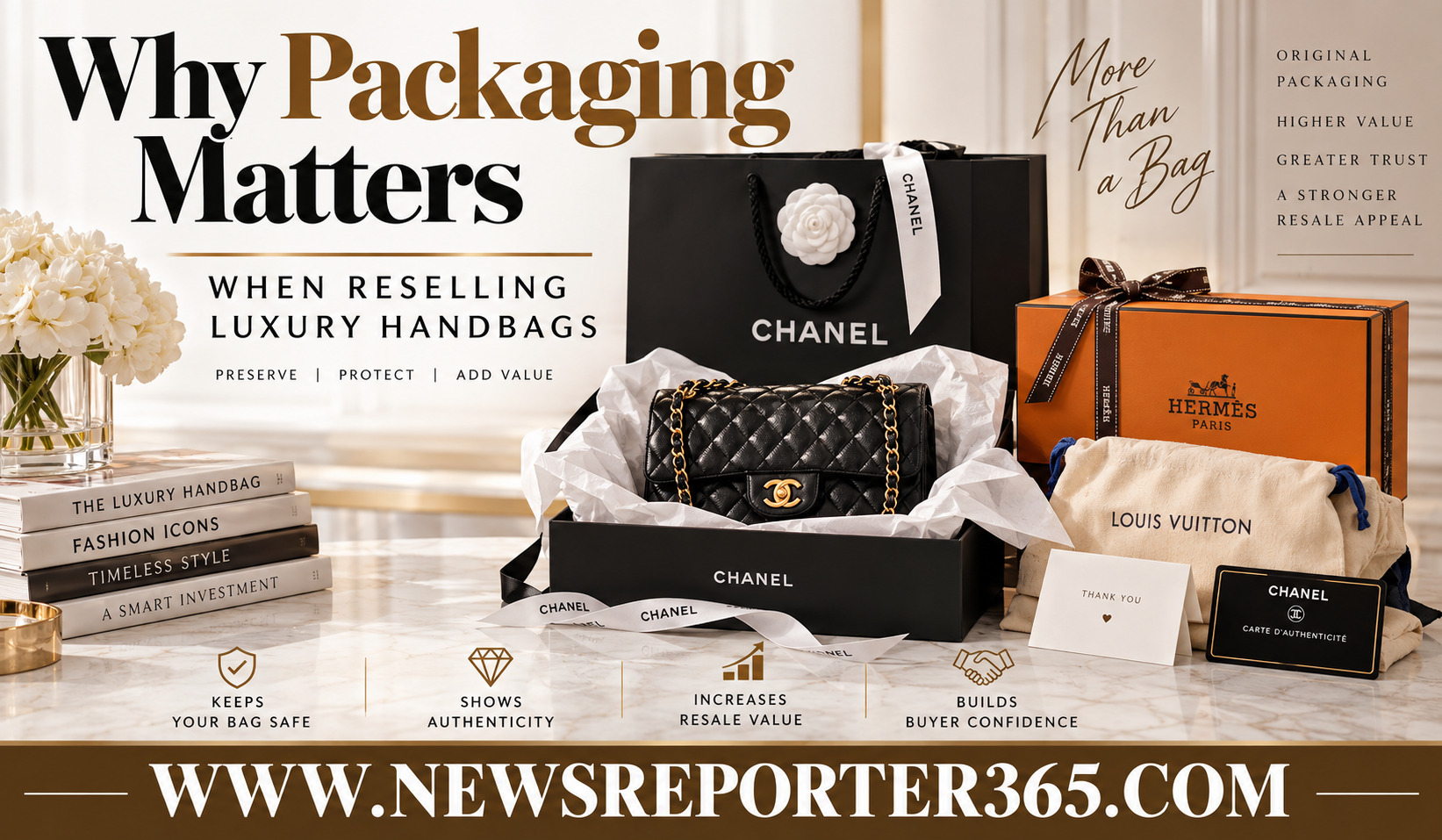
The box a luxury handbag arrives in often ends up forgotten in a closet, yet it can meaningfully change what that bag sells for years later. Why packaging matters when reselling luxury handbags comes down to two things: buyer confidence and completeness. A dust bag, authenticity card, and original box will not fix a damaged handbag, but paired with a bag in good condition, they can noticeably raise both the price and the speed of a sale. This guide explains exactly what packaging does for resale value, and where its influence actually stops.
The Box You Almost Threw Away
Many first-time luxury buyers toss packaging aside without a second thought. That instinct makes sense in the moment, but it can cost real money down the line.
Resale buyers generally treat original packaging as part of the complete product, not an unnecessary extra. A bag sold with its dust bag, box, and authenticity card typically sells faster and for more than the same bag without them.
This effect shows up across nearly every major resale platform, from professional consignment shops to peer-to-peer marketplaces.
What Counts as Complete Packaging
Complete packaging usually means more than just the outer box. Buyers generally look for the dust bag, any authenticity or care card, the original receipt, and brand-specific extras like lock sets, keys, mirrors, or rain covers.
For certain brands, these small extras carry real weight. Hermès accessories like the clochette, lock, and keys are often expected alongside the bag itself, and their absence can raise questions during resale.
Keeping this full set together from the moment of purchase makes a meaningful difference later. Once these items are separated or lost, they are usually impossible to fully replace.
| Item | Why It Matters |
| Dust bag | Signals proper storage and care |
| Original box | Adds completeness and presentation |
| Authenticity or care card | Supports buyer confidence in the item’s origin |
| Original receipt | Strengthens documented ownership history |
| Brand-specific extras | Expected by buyers for certain models, like Hermès |
How Much Packaging Actually Adds to Price
The exact price boost varies by platform and brand, but the pattern is consistent. Industry reporting on luxury resale generally places the packaging premium in a noticeable but moderate range, often adding somewhere around ten to twenty percent to the final sale price.
That premium tends to be strongest for brands like Hermès and Chanel, where collectors place heavy value on a complete, original presentation. Buyers browsing these categories often filter listings specifically by completeness.
For more accessible luxury brands, the effect is usually smaller, though still present. A complete set almost never hurts a listing, even when its impact on final price is modest.
Packaging and Buyer Trust
Beyond price, packaging plays a real role in how quickly a listing sells. A bag presented with its full original set simply looks more put together, which naturally draws more attention from serious buyers.
That visual trust matters because resale buyers are cautious by nature. Counterfeit handbags remain common, and a complete, well presented listing signals a seller who has taken proper care of the item.
Sellers who keep detailed records alongside packaging, including original receipts and clear photos of the bag’s condition, tend to build stronger buyer confidence than those who rely on packaging alone.
Why Packaging Alone Cannot Prove Authenticity
Here is the important limitation buyers need to understand. Packaging can be convincing, but it is not proof of authenticity on its own, and it should never be treated as the final word.
Counterfeit sellers sometimes include convincing dust bags, boxes, and cards specifically to create false confidence. Genuine authentication relies on physical details of the bag itself, including hardware weight, stitching consistency, and serial or date codes.
For high value pieces, professional authentication remains essential regardless of how complete the packaging looks. Packaging supports a sale. It does not replace real verification of the bag underneath it.
Key Takeaways
- Core effect: Complete original packaging generally increases resale price and sale speed.
- What counts: Dust bag, box, authenticity card, receipt, and any brand-specific extras all matter.
- Typical boost: Packaging often adds a moderate premium, strongest for brands like Hermès and Chanel.
- Trust factor: A complete presentation builds buyer confidence and reduces hesitation during a sale.
- Key limitation: Packaging supports a sale but does not prove authenticity on its own.
Frequently Asked Questions
Does original packaging really increase a handbag’s resale value?
Original packaging generally increases resale value, though the overall condition of the bag still matters most.
What packaging items matter most for resale?
The dust bag, original box, authenticity card, and receipt matter most, along with any brand-specific extras.
Can packaging alone prove a handbag is authentic?
Packaging cannot prove authenticity on its own, since counterfeit sellers sometimes include convincing fake packaging.
Does packaging matter more for certain luxury brands?
Packaging tends to matter most for brands like Hermès and Chanel, where buyers expect a complete original presentation.
Should sellers keep packaging even if they do not plan to sell soon?
Keeping original packaging is a smart habit, since it is difficult or impossible to replace once it is lost.
Conclusion
Why packaging matters when reselling luxury handbags comes down to a simple combination of completeness and trust. A dust bag, box, authenticity card, and receipt will not turn a damaged bag into a valuable one, but paired with a well maintained piece, they consistently support a stronger, faster sale. Buyers who hold onto these details from the start put themselves in a far better position whenever they decide to resell.