

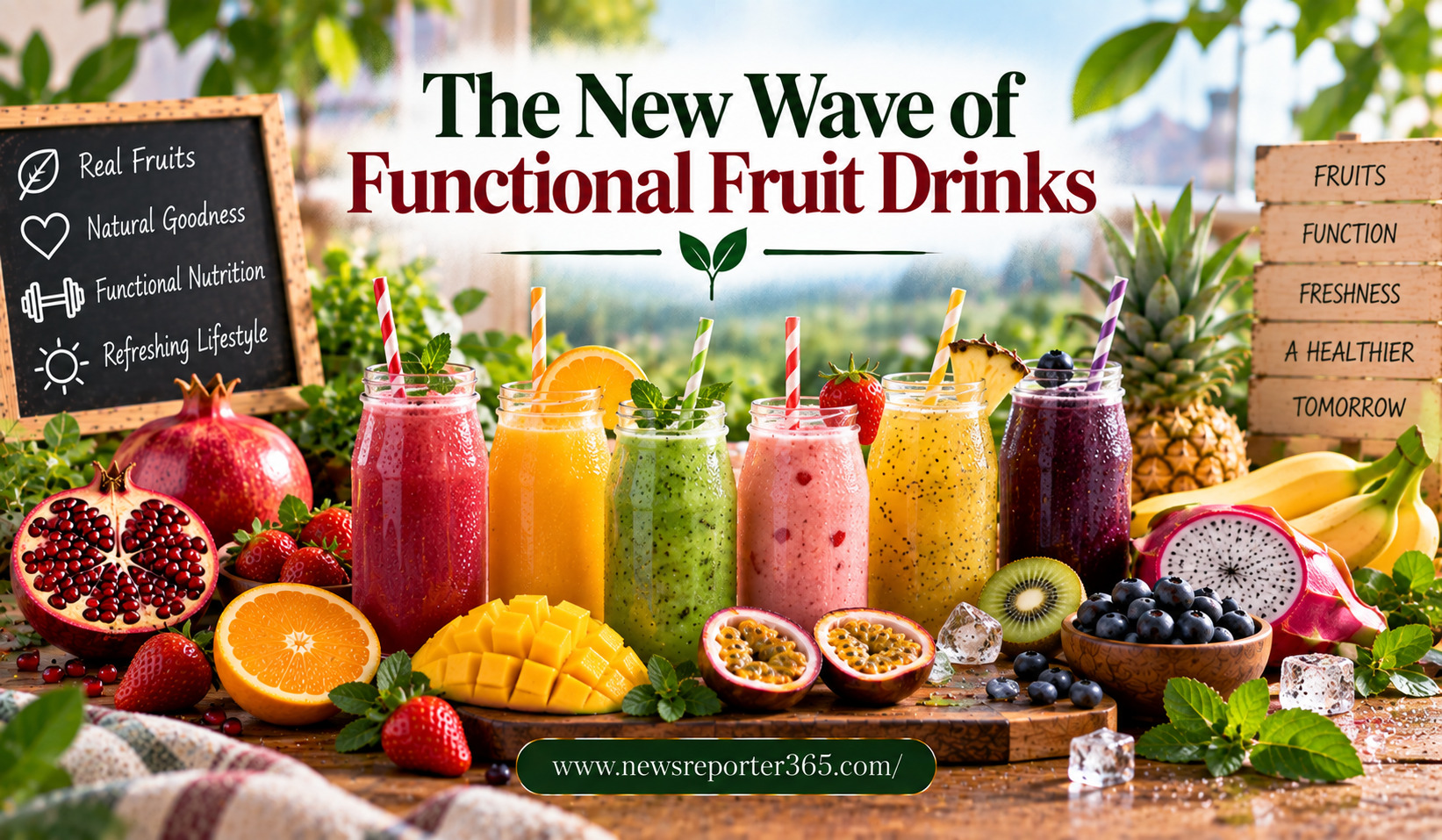
The beverage market is entering a new phase as consumers look beyond traditional fruit juices and soft drinks. Functional fruit drinks are gaining attention by combining familiar fruit flavours with ingredients and formulations designed to appeal to specific lifestyle needs. From hydration-focused beverages to drinks featuring vitamins, electrolytes, fibre, botanical ingredients, and other functional additions, the category is becoming an increasingly visible part of the modern beverage industry.
The appeal is partly driven by changing consumer habits. People are spending more time looking for convenient food and drink options that fit into busy routines. A beverage that provides a refreshing taste while also offering a clearly communicated nutritional feature can appear more attractive than a conventional sugary drink.
This shift is also changing how fruit beverages are developed and marketed. Instead of positioning a drink simply as orange, mango, berry, or apple flavoured, brands are increasingly building products around particular occasions such as morning routines, exercise, workdays, travel, or afternoon refreshment.
What Are Functional Fruit Drinks?
Functional fruit drinks are beverages that combine fruit or fruit-derived ingredients with additional components intended to provide a specific nutritional or lifestyle benefit. The exact formulation varies widely between products.
Some products may emphasize electrolytes for hydration, while others may contain added vitamins, minerals, fibre, probiotics, or botanical ingredients. Certain beverages are also designed with reduced sugar or no added sugar to appeal to consumers who are monitoring their intake.
The term “functional” does not automatically mean that a beverage delivers a proven medical benefit. Consumers need to look at the ingredient list, nutrition information, and claims on individual products rather than assuming every functional drink provides the same benefits.
Why the Category Is Growing
Convenience is one of the strongest forces behind the development of functional beverages. Modern consumers often want products that can be consumed quickly without preparation. A ready-to-drink bottle can fit easily into a commute, gym bag, office routine, or travel schedule.
At the same time, interest in wellness has encouraged consumers to examine beverage choices more carefully. Sugary carbonated drinks continue to have a large market, but some shoppers are looking for alternatives that offer hydration or nutritional value alongside flavour.
Fruit provides a natural foundation for these products because consumers already associate fruit with freshness and nutrition. Familiar flavours can make functional ingredients seem more approachable, particularly for people who may not want strongly flavoured health beverages.
Hydration Becomes a Major Focus
Hydration is emerging as one of the most important themes in functional fruit drinks. Beverages containing electrolytes are being positioned for active lifestyles, hot weather, travel, and everyday hydration.
Fruit flavours can make electrolyte drinks more appealing because they provide a familiar taste profile. Lemon, orange, watermelon, berry, coconut, and tropical blends are particularly suitable for refreshing beverage formats.
However, consumers should distinguish between everyday hydration and products specifically designed for demanding physical activity. Water remains an important source of hydration, while electrolyte-containing products can serve particular situations depending on individual needs and the formulation of the drink.
Reduced-Sugar Formulations Gain Attention
Sugar content has become another important consideration. Some consumers are trying to reduce their intake of added sugars and are therefore looking for fruit beverages with lower sugar levels.
This is challenging for beverage manufacturers because sugar contributes sweetness, texture, and flavour balance. Brands are experimenting with different formulations to maintain a pleasant taste while reducing sugar.
The result is a wider range of products, including unsweetened drinks, reduced-sugar beverages, naturally sweetened formulations, and drinks that combine fruit with other ingredients. Consumers should still check nutrition labels because “fruit-based” does not automatically mean a drink is low in sugar.
The Rise of Fibre-Focused Drinks
Fibre is another area receiving attention within functional beverage development. Traditionally, fruit fibre has been associated with whole fruits rather than drinks. New formulations are attempting to incorporate fibre into convenient beverage formats.
The idea appeals to consumers who want to increase fibre intake without significantly changing their daily routines. Some products use fruit pulp or added fibre ingredients to create a more substantial drinking experience.
However, beverages should not necessarily replace whole fruits. Whole fruit offers a combination of fibre, water, micronutrients, and natural plant compounds within its original food structure. Functional drinks can complement a varied diet, but they do not need to become a substitute for fresh produce.
Ingredients Are Becoming Part of the Marketing Story
Functional beverage labels are becoming increasingly ingredient-focused. Consumers may encounter products featuring vitamin C, B vitamins, electrolytes, prebiotic or probiotic ingredients, botanical extracts, or other additions.
This has encouraged brands to communicate not only flavour but also the purpose of their formulations. A berry drink, for example, might be positioned around antioxidant-related ingredients, while a citrus beverage may highlight vitamin content.
This approach creates an important responsibility for both manufacturers and consumers. Health-related claims need to be understood in context, and shoppers should avoid interpreting a marketing statement as a guarantee of a particular health outcome.
How Functional Fruit Drinks Differ
| Drink Type | Common Focus | Typical Consumer Interest |
| Fruit juice | Fruit flavour and nutrients | Traditional fruit beverage |
| Electrolyte fruit drink | Hydration | Active lifestyles and hot conditions |
| Fibre beverage | Fibre intake | Consumers interested in digestive nutrition |
| Vitamin-enriched drink | Added vitamins | Convenience and nutrient-focused choices |
| Probiotic fruit beverage | Probiotic ingredients | Gut-health-focused consumers |
| Reduced-sugar fruit drink | Lower sugar | Consumers monitoring sugar intake |
The differences between these categories can sometimes be subtle. Two drinks may have similar fruit flavours but very different nutritional profiles. Reading the label remains important when comparing products.
Fruit Drinks Move Beyond Breakfast
Fruit beverages were once strongly associated with breakfast. Functional formulations are helping expand their role throughout the day.
A hydration drink may be marketed for after exercise, while a vitamin-focused beverage could be positioned as part of a morning routine. Smaller bottles may target consumers looking for convenient drinks during work or travel.
This occasion-based marketing is important because it gives beverage brands more opportunities to reach consumers. Instead of competing only in the traditional juice category, functional fruit drinks can overlap with sports beverages, wellness drinks, flavoured water, and other ready-to-drink products.
Natural Ingredients and Clean Labels
Interest in recognizable ingredients is also influencing the category. Some shoppers prefer beverages with simple ingredient lists and fewer artificial additives.
This does not mean every consumer follows the same definition of a “clean label.” Expectations vary, and an ingredient that is considered acceptable by one shopper may be less attractive to another.
Nevertheless, transparency is becoming increasingly important. Consumers want to understand what they are drinking, how much sugar it contains, whether ingredients are added for flavour or functionality, and what quantity of a functional ingredient is actually present.
The Role of Tropical and Local Fruit Flavours
The functional beverage trend is also creating opportunities for regional fruit flavours. Mango, guava, lychee, kokum, passion fruit, pineapple, watermelon, and other tropical flavours can give functional drinks a distinctive identity.
In markets such as India, local flavours may be especially valuable because they combine familiarity with modern beverage formats. A traditional fruit can therefore become part of a contemporary hydration or wellness product without losing its cultural connection.
This could encourage beverage manufacturers to experiment with combinations that blend familiar fruits with newer functional ingredients.
Four Trends Shaping the Category
Several developments are likely to remain important as functional fruit drinks continue to evolve:
- Lower-sugar options: Brands are exploring ways to reduce sweetness while maintaining flavour.
- Hydration products: Electrolyte-based fruit beverages are expanding beyond traditional sports-drink formats.
- Ingredient transparency: Consumers are paying greater attention to labels and functional components.
- Convenient nutrition: Ready-to-drink products are being designed around busy lifestyles and specific consumption occasions.
These trends are not isolated. A single beverage can combine several of them, such as a low-sugar fruit drink with electrolytes and added vitamins.
Technology and Product Innovation
Beverage innovation is not limited to ingredients. Packaging and manufacturing technology are also helping brands experiment with new formats.
Smaller bottles can support portion-conscious consumption, while lightweight packaging can make products easier to carry. Shelf-stable formulations can also make fruit beverages available in locations where refrigeration is limited.
The challenge is maintaining flavour and quality while creating a commercially practical product. Fruit ingredients can be sensitive to processing and storage conditions, so manufacturers must balance taste, stability, nutrition, and cost.
What Consumers Should Check Before Buying
The growing number of functional drinks makes label reading more important. A product promoted as a wellness beverage can still contain substantial sugar or calories, depending on its formulation.
Consumers can pay attention to a few basic details:
- Total and added sugar content
- Serving size and calories
- Functional ingredients and their quantities
- Fruit content and other major ingredients
- Caffeine or stimulant ingredients, where applicable
These details can help shoppers compare products based on their actual nutritional profiles rather than relying only on front-of-pack marketing.
What Comes Next for Functional Fruit Drinks?
The category is likely to become more diverse as beverage companies respond to changing consumer expectations. Instead of creating one drink intended for everyone, brands may increasingly develop products for particular occasions and preferences.
One consumer may want a low-sugar citrus drink for everyday refreshment, while another may prefer an electrolyte-based fruit beverage after exercise. Someone else may be interested in fibre or probiotic ingredients.
This personalization could become one of the defining characteristics of the next generation of beverages. The market is moving from simply selling a flavour toward selling a combination of taste, convenience, and a clearly communicated function.
The challenge will be maintaining credibility. Consumers are becoming more familiar with nutrition labels and ingredient claims, so exaggerated promises may face greater scrutiny. Products that communicate their ingredients clearly and provide a satisfying taste experience may have a stronger opportunity to build long-term consumer trust.
Conclusion
The new wave of functional fruit drinks reflects a broader transformation in the beverage market. Consumers are increasingly looking for drinks that combine flavour with convenience and a clearly defined nutritional purpose.
Hydration, reduced sugar, fibre, vitamins, probiotics, and botanical ingredients are helping expand the category beyond traditional fruit juice. At the same time, local and tropical flavours are giving manufacturers new ways to create distinctive products.
As the market develops, transparency will remain important. A functional beverage should not be judged by its marketing message alone. Checking its ingredients, sugar content, serving size, and nutritional information gives consumers a clearer picture of what they are actually buying.
FAQs
What are functional fruit drinks?
Functional fruit drinks are beverages that combine fruit or fruit-derived ingredients with additional components such as vitamins, minerals, electrolytes, fibre, probiotics, or botanicals.
Are functional fruit drinks healthier than regular soft drinks?
It depends on the individual product. Sugar, calories, ingredients, and serving size can vary significantly, so consumers should compare nutrition labels rather than judging a drink solely by its “functional” positioning.
Are electrolyte fruit drinks useful?
Electrolyte beverages can be useful in situations involving significant fluid and electrolyte losses, such as prolonged physical activity or heavy sweating. Their usefulness depends on the individual and the drink’s formulation.
Do functional drinks replace fresh fruit?
No. Fresh whole fruit provides fibre, water, vitamins, minerals, and other naturally occurring compounds. Functional drinks can be part of a varied diet but do not need to replace whole fruits.