

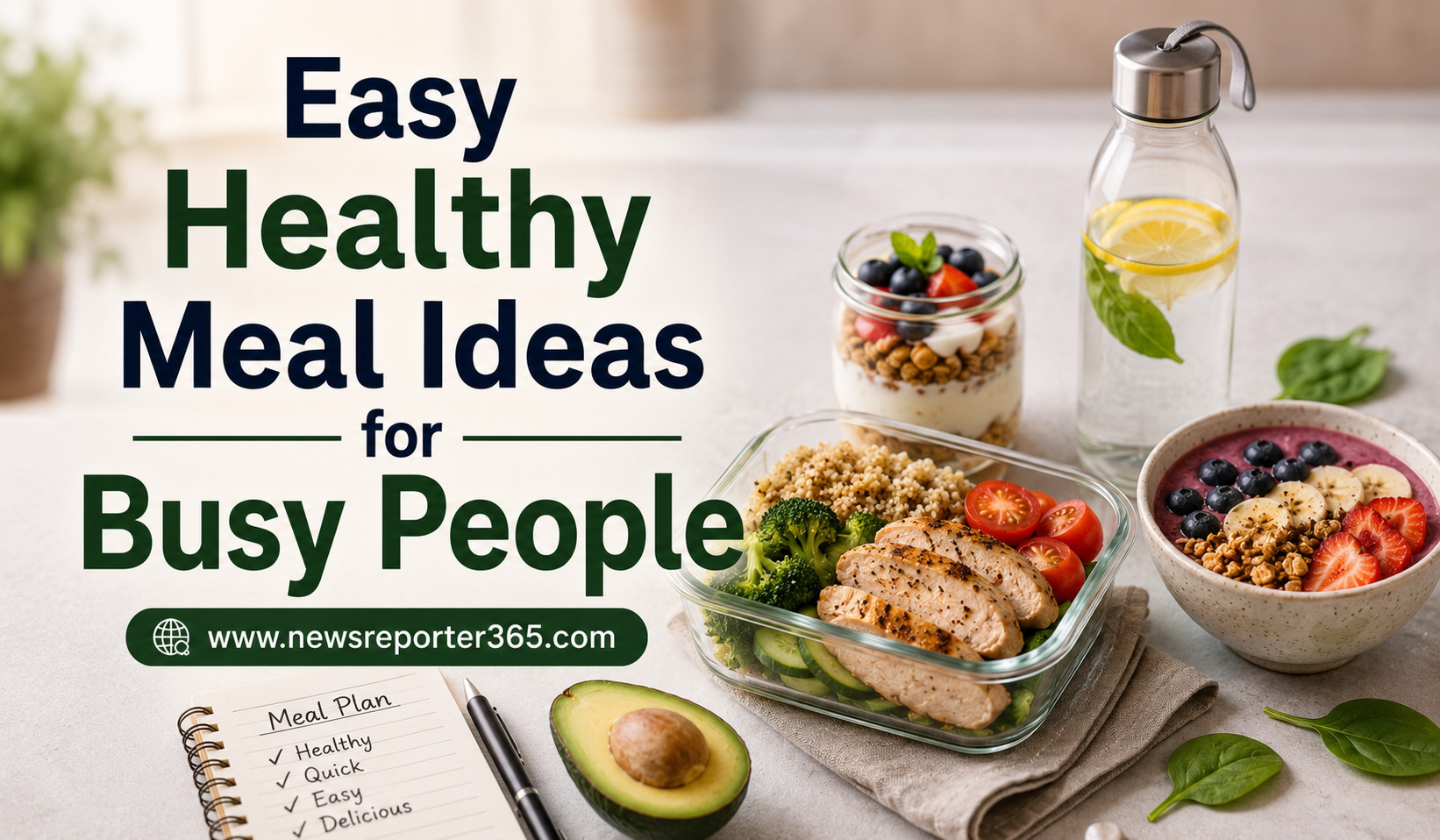
Finding time to prepare healthy meals can be difficult when work, travel, family responsibilities and everyday tasks fill your schedule. After a long day, cooking an elaborate meal may be the last thing you want to do. That is why many busy people end up ordering food, skipping meals or choosing whatever is quickest.
Eating well, however, does not have to mean spending hours in the kitchen. A healthy meal can be simple, affordable and quick to prepare. With a little planning and a few reliable ingredients, it is possible to create satisfying meals even on the busiest days.
The key is to stop thinking of healthy cooking as something that always requires complicated recipes. Instead, focus on combining basic ingredients in practical ways. Whole grains, vegetables, protein sources, fruits, dairy or suitable alternatives and healthy fats can become the foundation of dozens of simple meals.
This guide explores easy meal ideas for breakfast, lunch, dinner and busy days when you have very little time to cook.
What Makes a Meal Healthy and Practical?
A healthy meal does not need to follow a complicated formula. In general, a balanced meal can include a source of protein, vegetables or fruit, a carbohydrate source and some healthy fats.
The exact combination depends on your dietary preferences and individual nutritional needs. Someone who eats a vegetarian diet will make different choices from someone who includes meat or fish.
The most important thing for busy people is practicality. If a meal requires 20 ingredients and an hour of preparation, it may be difficult to repeat regularly.
Simple meals that can be prepared in 10 to 30 minutes are often easier to maintain.
Start With a Simple Meal Formula
One of the easiest ways to reduce cooking stress is to use a basic meal-building formula.
Choose one protein source, one carbohydrate source and at least one vegetable or fruit. Add a small amount of healthy fat or a flavorful sauce if needed.
This approach allows you to create different meals without following a recipe every time.
For example, cooked rice can be combined with vegetables and eggs, chicken or beans. Whole-grain bread can become a sandwich with vegetables and a protein filling. Oats can be paired with yogurt, fruit and seeds.
Once you understand the basic combinations, healthy meal preparation becomes much less complicated.
Quick Breakfast Ideas for Busy Mornings
Breakfast is often the meal people skip when they are short on time. Fortunately, several nutritious breakfast options can be prepared quickly or even made the night before.
Easy breakfast options include:
- Oatmeal with fruit, yogurt and seeds.
- Eggs with whole-grain toast and vegetables.
- A fruit and yogurt smoothie.
- Overnight oats with nuts and berries.
Overnight oats are especially useful for busy mornings. Combine oats with milk or a suitable alternative and refrigerate them overnight. In the morning, add fruit, nuts or seeds.
Eggs are another flexible option. Scrambled eggs can be prepared in a few minutes and served with toast and vegetables for a simple meal.
The goal is not to make breakfast elaborate. A basic meal that keeps you satisfied can be more useful than a complicated recipe you rarely have time to prepare.
Quick Lunch Ideas for Work
Lunch can be challenging when you have meetings or limited time during the workday. Preparing lunch at home can make healthy choices easier and may also reduce the temptation to rely on takeout.
A simple grain bowl is one of the most flexible options. Start with cooked rice, quinoa or another whole grain. Add vegetables and a protein source such as beans, lentils, eggs, chicken or tofu. Finish with a simple dressing or sauce.
Wraps and sandwiches are also practical. Use whole-grain bread or wraps and fill them with vegetables and a suitable protein source.
If you prepare several ingredients on the weekend, assembling lunch during the week can take only a few minutes.
Easy One-Bowl Meals
One-bowl meals are ideal for busy people because they are simple to prepare and require minimal cleanup.
A basic bowl can combine grains, vegetables and protein. You can change the ingredients depending on what you have available.
For example, rice, roasted vegetables and chickpeas can create a filling vegetarian bowl. Another day, you could use rice, chicken and mixed vegetables.
The same ingredients can also be turned into wraps or salads, giving you variety without requiring completely different groceries.
Simple Stir-Fry for Busy Evenings
A stir-fry is one of the fastest ways to create a complete meal.
Start with a protein source such as tofu, chicken, eggs or another preferred option. Add vegetables and cook them in a pan with a small amount of oil. Serve the mixture with rice or another grain.
A simple sauce made from ingredients such as soy sauce, garlic, ginger and other seasonings can add flavor without requiring a complicated recipe.
Stir-fries are particularly useful for using leftover vegetables before they go to waste.
Quick Pasta With Vegetables
Pasta can be part of a healthy meal when combined with nutritious ingredients.
Instead of relying entirely on a heavy sauce, add vegetables and a protein source. Tomatoes, spinach, peppers, mushrooms, beans or chicken can all work depending on your preferences.
Whole-grain pasta can provide more fiber than refined pasta, although either can fit into a balanced diet.
The advantage of pasta is its flexibility. You can prepare a large batch and use the leftovers for lunch the following day.
Healthy Wraps for Lunch or Dinner
Wraps are an excellent solution when you want something quick but filling.
Use a whole-grain wrap and add a protein source, vegetables and a flavorful spread.
Hummus, beans, grilled chicken, eggs or tofu can provide different options. Add lettuce, cucumber, tomatoes, peppers or other vegetables for freshness.
Wraps are also easy to take to work, making them useful for people who do not have much time to sit down for lunch.
Fast Rice-Based Meals
Rice is a convenient base for many meals and can be prepared in advance.
Cook a batch and store appropriate portions for later meals. During the week, combine the rice with vegetables and a protein source.
A simple rice bowl can become a different meal each day by changing the seasoning or toppings.
For example, one meal might use beans and vegetables, while another uses eggs and stir-fried vegetables.
Meal preparation becomes much easier when one component is already cooked.
Easy Salad That Actually Feels Filling
A salad does not have to mean a bowl of lettuce.
For a more satisfying meal, combine vegetables with a protein source and a carbohydrate. Chickpeas, beans, eggs, chicken or tofu can make a salad more substantial.
Add ingredients such as corn, cucumber, tomatoes, carrots, avocado or whole grains depending on your preferences.
A simple dressing made from olive oil, lemon juice, herbs and seasoning can bring everything together.
The trick is to treat salad as a complete meal rather than simply a side dish.
Sheet-Pan Meals for Minimal Cleanup
If you have an oven, sheet-pan meals can save both preparation time and cleaning effort.
Place vegetables and a protein source on a baking tray, season them and cook them together.
Potatoes, carrots, peppers, broccoli and other vegetables can work well. Chicken, tofu or other suitable proteins can be added depending on your diet.
This approach is particularly useful when you want to cook multiple portions at once.
Healthy Meals Using Frozen Ingredients
Frozen vegetables can be extremely useful for busy people.
They are convenient, require little preparation and can be stored for long periods. Frozen vegetables can be added to stir-fries, pasta, rice dishes, soups and omelets.
Frozen fruits can also be useful for smoothies and breakfast bowls.
Using frozen ingredients does not mean compromising on convenience or variety. They can simply be another tool for making healthy meals easier.
Simple Soup for Busy Days
Soup can be prepared in a large batch and stored for future meals.
A basic vegetable and lentil soup can provide a combination of vegetables, carbohydrates and plant-based protein. Chicken and vegetable soup is another option for people who eat meat.
Soup is especially useful during cooler weather and can be paired with whole-grain bread for a more complete meal.
Preparing a large pot once can give you several easy lunches or dinners.
No-Cook Meal Ideas
Not every healthy meal requires cooking.
On particularly busy days, combine ready-to-eat ingredients to create a simple meal.
Greek-style yogurt with fruit and nuts can work for breakfast or a light meal. A whole-grain sandwich with vegetables and a protein filling can be prepared without cooking. A bean salad can be assembled using canned beans, vegetables and a simple dressing.
Useful no-cook ingredients include:
- Canned beans and chickpeas.
- Yogurt or suitable dairy alternatives.
- Fresh fruits and vegetables.
- Whole-grain bread or wraps.
Choose canned foods with lower sodium when possible and rinse canned beans to reduce some of the surface sodium.
Make Meal Prep Work for You
Meal preparation does not mean cooking every meal for an entire week.
Even preparing two or three basic ingredients can make weekdays easier.
For example, cook a batch of rice, wash and cut vegetables, and prepare a protein source. These ingredients can then be combined differently throughout the week.
You can also prepare sauces and dressings in advance.
The objective is to reduce the amount of work required when you are hungry.
A Simple Weekly Meal-Prep Strategy
| Preparation | Possible Ingredients | How It Helps |
| Cook grains | Rice, quinoa, oats | Creates quick meal bases |
| Prepare protein | Eggs, beans, chicken, tofu | Speeds up meal assembly |
| Prepare vegetables | Carrots, peppers, broccoli | Makes meals faster |
| Prepare sauces | Yogurt, herbs, lemon, spices | Adds variety |
| Portion meals | Lunch or dinner containers | Reduces weekday decisions |
You can adjust this approach according to your schedule and storage options.
Keep a Flexible Grocery List
A practical grocery list can prevent the common problem of having a kitchen full of ingredients but no idea what to cook.
Choose foods from a few basic categories rather than shopping for complicated recipes.
A practical grocery foundation can include:
- Protein: Eggs, beans, lentils, yogurt, tofu, chicken or other preferred options.
- Carbohydrates: Oats, rice, potatoes, whole-grain bread, pasta or wraps.
- Produce: Fresh or frozen vegetables and seasonal fruits.
- Flavor: Herbs, spices, garlic, lemon, sauces and healthy oils.
With these ingredients available, you can create many different meals without buying a completely new set of groceries every few days.
Use Leftovers Creatively
Leftovers do not have to feel repetitive.
If you have roasted vegetables from dinner, add them to a wrap the next day. Leftover chicken can become part of a salad or rice bowl. Extra rice can be combined with vegetables and eggs for a quick meal.
Thinking of leftovers as ingredients rather than unfinished meals can make your cooking routine more flexible.
It also helps reduce food waste.
Don’t Aim for Perfect Meals Every Day
Busy people often make healthy eating harder by expecting every meal to be perfect.
Real life includes rushed mornings, restaurant meals, celebrations and days when you simply do not feel like cooking.
One meal does not determine the quality of your overall eating pattern.
Instead, focus on consistency. If most of your meals include a reasonable balance of nutritious foods, there is room for flexibility.
A practical eating routine is more valuable than an ideal plan that becomes impossible to maintain.
Healthy Snacks Can Bridge Busy Schedules
Sometimes a full meal is not possible at the expected time.
Keeping practical snacks available can help bridge the gap until your next meal. Fruit, nuts, yogurt, roasted chickpeas or whole-grain snacks can be useful depending on your preferences and storage options.
This is particularly helpful when meetings, commuting or travel disrupt your normal schedule.
The goal is not to replace meals with snacks but to avoid reaching a point where you are extremely hungry and have no suitable options available.
Quick Dinner Ideas for Tired Evenings
Dinner is often the hardest meal to prepare because energy levels are lower after a long day.
This is where simple recipes become particularly valuable.
An omelet with vegetables and whole-grain toast can be prepared quickly. A vegetable and bean bowl can require minimal cooking. A stir-fry can turn leftover ingredients into a complete dinner.
You can also prepare a larger meal on a less busy day and save portions for evenings when cooking feels difficult.
The best dinner is often one that requires little thought.
Make Healthy Cooking More Convenient
Convenience is not the enemy of healthy eating.
Pre-cut vegetables, frozen produce, canned beans, ready-to-cook grains and other convenient ingredients can save time.
The key is to choose convenient foods that help you build balanced meals rather than relying entirely on highly processed convenience foods.
There is nothing wrong with using shortcuts when they make it easier to eat well.
Simple Meal Ideas for Different Time Limits
| Available Time | Meal Idea |
| 5 minutes | Yogurt, fruit and nuts |
| 10 minutes | Egg and vegetable toast |
| 15 minutes | Chickpea or chicken wrap |
| 20 minutes | Vegetable stir-fry with rice |
| 30 minutes | Pasta with vegetables and protein |
| Batch cooking | Soup, rice bowls or roasted vegetables |
These are starting points rather than strict recipes. Adjust ingredients and portions to your preferences.
How to Stay Healthy When Ordering Food
When ordering food, look for meals that include vegetables, a protein source and a suitable carbohydrate. Choose preparation methods that fit your dietary preferences and consider portion sizes.
You do not need to choose the most restrictive option on the menu.
A balanced approach might involve ordering a main dish and adding vegetables or choosing a smaller portion if the serving is very large.
The objective is to make a reasonable choice rather than searching for perfection.
Keep Healthy Eating Simple
The biggest advantage of simple meals is that they reduce decision fatigue.
When you know that eggs can become breakfast, rice can become a bowl, vegetables can become a stir-fry and beans can become a wrap or salad, you do not need to search for a new recipe every day.
Build a small collection of meals that you genuinely enjoy.
Once those meals become familiar, healthy cooking can become part of your routine rather than another responsibility.
Conclusion
Healthy eating does not have to disappear from your routine just because life gets busy. The key is to make meals simple enough to fit your schedule.
Build meals around basic ingredients such as vegetables, fruits, whole grains and suitable protein sources. Use meal prep to reduce weekday cooking, keep convenient ingredients available and learn a few reliable recipes that can be adapted to whatever you have in the kitchen.
Breakfasts such as overnight oats and eggs can take only a few minutes. Lunches can be built around wraps, salads and grain bowls, while dinners can rely on stir-fries, pasta, soups and sheet-pan meals.
Most importantly, do not aim for perfection. A sustainable healthy eating routine should allow flexibility for busy days and occasional meals outside the home.
When healthy food is convenient, affordable and enjoyable, eating well becomes much easier to maintain—even when your schedule is full.
FAQs
What are the easiest healthy meals for busy people?
Simple options include overnight oats, eggs with whole-grain toast, grain bowls, vegetable wraps, stir-fries, soups, salads with protein and pasta with vegetables.
How can I eat healthy when I have little time to cook?
Keep convenient ingredients such as frozen vegetables, canned beans, eggs, oats and pre-cooked grains available. Preparing a few ingredients in advance can also reduce cooking time.
Is meal prep necessary for healthy eating?
No. Meal prep can make healthy eating easier, but it is not essential. Some people prefer preparing meals daily using simple ingredients.
What should I prepare for a busy work lunch?
Wraps, sandwiches, grain bowls, salads with protein and leftovers can all work well. Choose options that are easy to transport and store safely.
Are frozen vegetables healthy?
Frozen vegetables can be a convenient part of a healthy diet. They are useful for stir-fries, soups, pasta and rice dishes and require little preparation.
How can I make healthy meals more affordable?
Buy seasonal produce, use beans and lentils, cook larger portions and use basic ingredients across several meals. Planning before shopping can also reduce food waste.