

Introduction
A single paparazzi photo from 2006 quietly shaped one of the most recognizable handbags in modern fashion. That photo, of actress Jodie Foster shielding herself from cameras with an oversized Bottega Veneta hobo, eventually gave the Bottega Veneta Jodie its name. Since its official release in 2020, the bag has become one of the clearest examples of what fashion fans now call quiet luxury: no visible logo, just craftsmanship people recognize on sight. This guide looks at why the Jodie earned that reputation, and why it continues to hold appeal years after its debut.
A Bag Named After a Paparazzi Moment
The story behind the Jodie starts long before its official launch. In 2006, actress Jodie Foster used an oversized Bottega Veneta hobo bag to block photographers, creating a small but memorable fashion moment.
Years later, creative director Daniel Lee revived that slouchy silhouette and modernized it for the Spring 2020 collection. He named the finished design the Jodie, directly honoring the moment that first drew attention to the shape.
That origin story gives the bag something most new releases lack: a genuine, documented piece of fashion history behind the name.
From Nameless Hobo to Runway Star
Before it had a name, the Jodie’s shape existed as one of Bottega Veneta’s many hobo styles, largely unnoticed outside dedicated fashion circles. Daniel Lee’s arrival as creative director in 2018 changed that trajectory quickly.
Lee reworked the brand’s identity around bold, idiosyncratic shapes rather than obvious branding. The Jodie launched alongside other instant hits, including the Pouch and the Cassette, all part of the same design shift.
When the Jodie hit stores in early 2020, demand grew fast. It became a fixture in street style photos and social media outfit posts almost immediately, cementing its status as a genuine it bag.
The Intrecciato Weave: Craft Over Logo
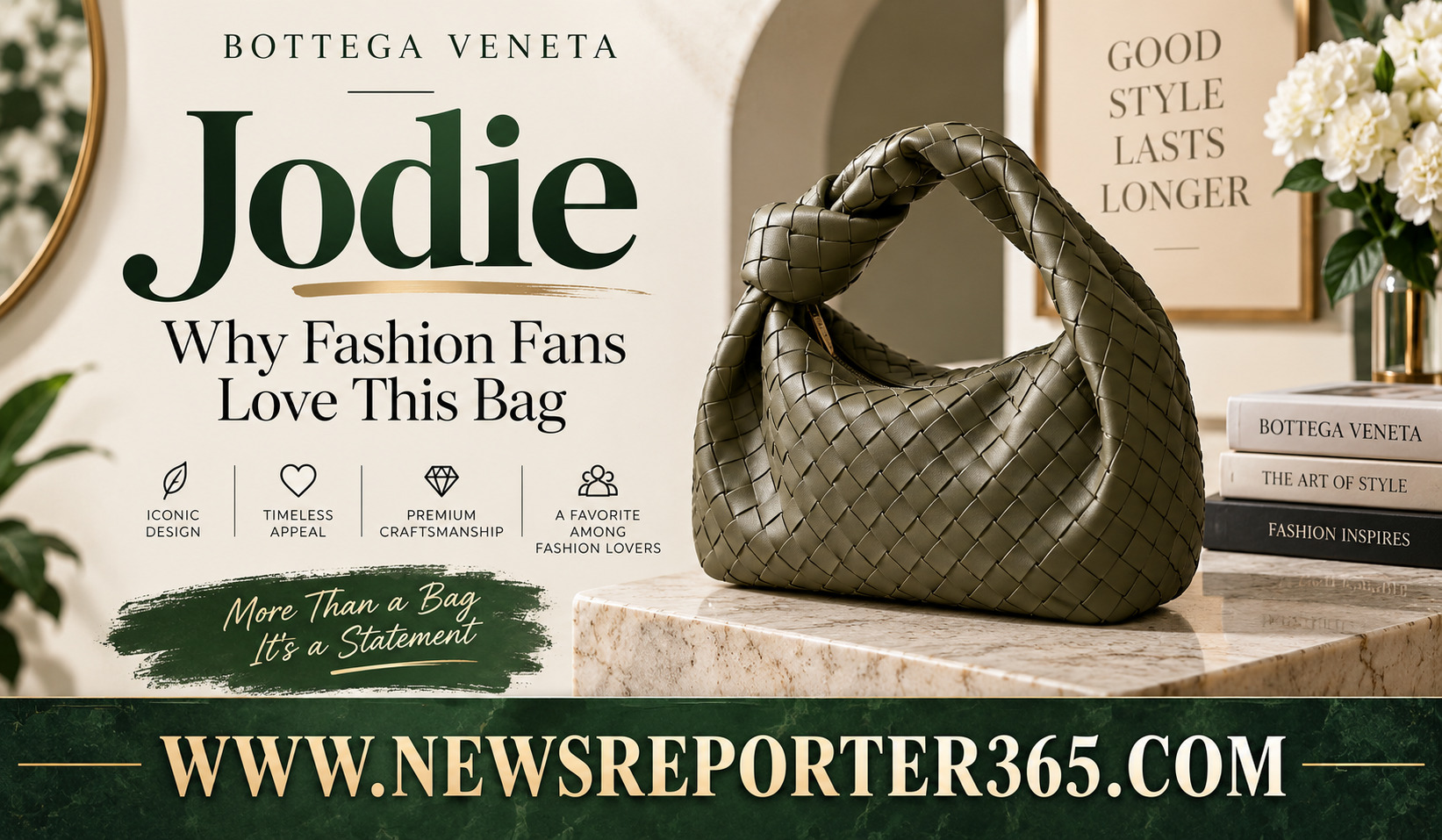
The single detail fashion fans mention most often is the intrecciato weave, Bottega Veneta’s signature braided leather technique. Instead of stamping a logo onto the bag, artisans weave narrow strips of leather together by hand.
This technique demands real skill. A tight, even, symmetrical weave with no snags or loose ends takes years of practice to execute consistently, which is part of why the bag carries a premium price.
The weave also adds practical benefits. It gives the leather more flexibility and durability than a single flat panel, letting the bag hold its slouchy shape while still resisting daily wear.
| Feature | Why Fans Love It |
| Intrecciato Weave | Hand-braided leather, no visible logo, distinct texture |
| Crescent Silhouette | Soft, slouchy shape that feels modern yet timeless |
| Knot Detail | Sculptural handle that sets the bag apart visually |
| Size Range | Mini to Maxi options fit different daily needs |
| Brand Identity | Quiet luxury look built on craftsmanship, not branding |
Why the Jodie Fits So Many Lifestyles
Part of the Jodie’s staying power comes from its range of sizes. The Mini works well for light daily essentials or evening use, while the Classic and Medium sizes offer enough room for a laptop or everyday items.
The bag’s soft, unstructured shape also makes it easy to wear in different ways. It sits comfortably under the arm, over the shoulder, or across the body, adapting to whatever a given day requires.
This flexibility appeals to buyers who want one bag that can move between casual and slightly dressed up settings, rather than owning several single-purpose pieces.
Resale Strength and Long-Term Demand
The Jodie has held its position well beyond a typical fashion trend cycle. Years after its original release, it remains one of Bottega Veneta’s most requested styles among both new buyers and resale shoppers.
Because Bottega Veneta rarely discounts its pieces, well maintained Jodies in classic colors tend to retain strong resale value. Steady demand and the brand’s controlled retail pricing both support that consistency.
This staying power sets the Jodie apart from many other it bags of its era, several of which have already faded from the cultural conversation while the Jodie continues to sell.
Key Takeaways
- Origin story: The Jodie takes its name from a real 2006 paparazzi moment involving actress Jodie Foster.
- Design shift: Daniel Lee modernized the bag as part of Bottega Veneta’s broader move toward logo-free luxury.
- Signature craft: The hand-woven intrecciato technique is the bag’s most distinctive and demanding feature.
- Versatility: A wide size range and adaptable carry style suit many different daily needs.
- Lasting demand: Strong resale value reflects consistent interest well beyond the bag’s original launch year.
Frequently Asked Questions
Why is the Bottega Veneta Jodie bag called the Jodie? The bag is named after actress Jodie Foster, who was photographed using a similar Bottega Veneta hobo bag in 2006.
What makes the Jodie different from other Bottega Veneta bags? The Jodie stands out for its slouchy crescent shape, sculptural knot handle, and fully hand-woven intrecciato leather.
Is the Jodie considered a quiet luxury bag? Yes, the Jodie is widely seen as a quiet luxury piece because it relies on craftsmanship rather than a visible logo.
Which Jodie size is most popular? The Mini Jodie is generally the most popular size, offering a compact profile suited to daily essentials.
Does the Jodie hold its resale value well? The Jodie generally holds its resale value well, supported by steady demand and Bottega Veneta’s controlled retail pricing.
Conclusion
The Bottega Veneta Jodie earned its place among fashion fans through a rare combination of genuine history, distinctive craftsmanship, and everyday versatility. Its hand-woven intrecciato leather and slouchy silhouette set it apart from logo-driven alternatives, while its range of sizes keeps it relevant for different lifestyles. Years after its debut, that mix of story and craft still explains why the Jodie remains one of the most requested bags in modern luxury fashion.