

Introduction
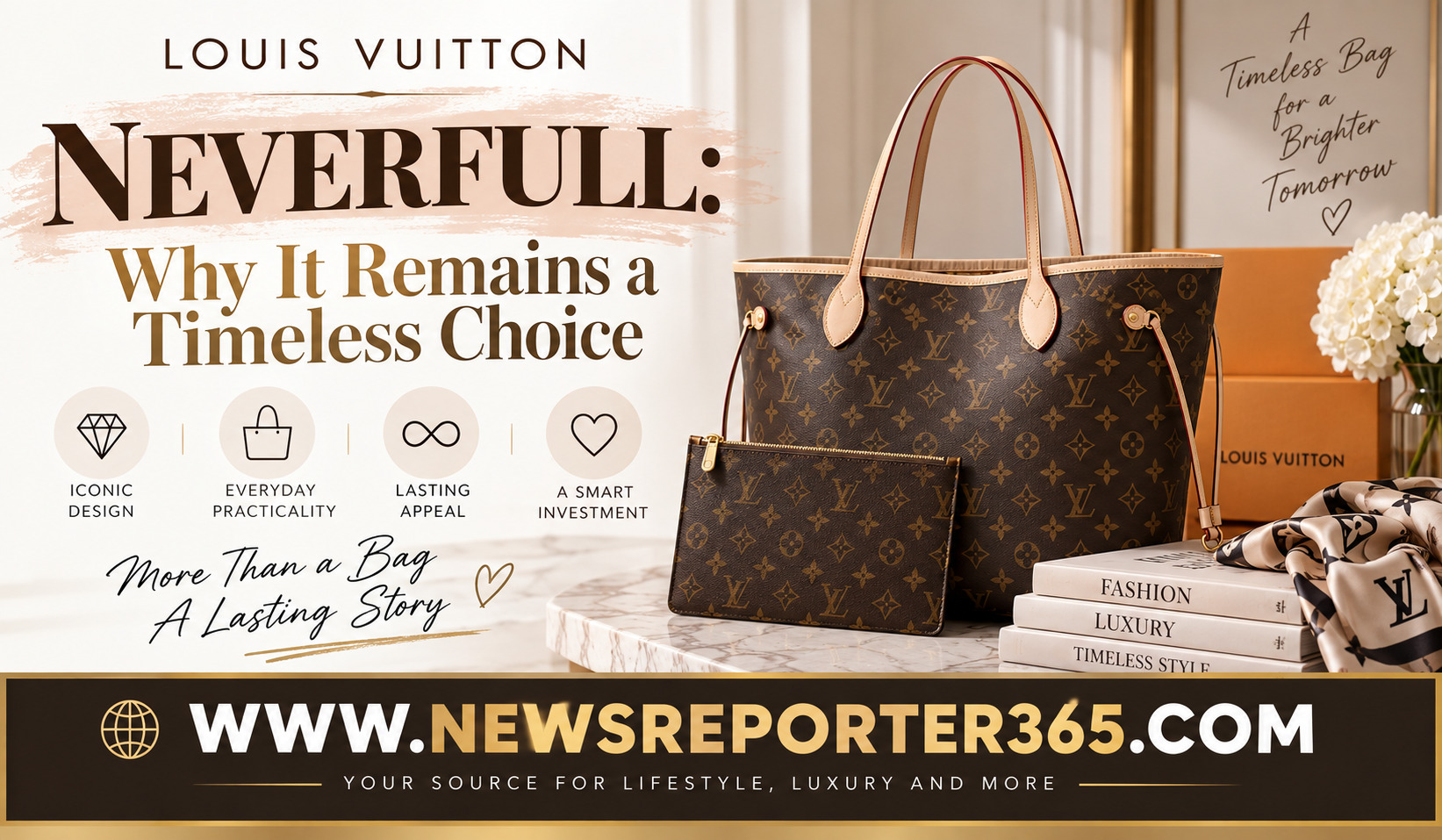
A bag originally designed for the beach quietly became one of the best-selling totes in luxury fashion history. The Louis Vuitton Neverfull remains a timeless choice because it solved a simple problem better than almost anything else on the market: how to carry everything you need without sacrificing style. Where many luxury bags trade practicality for prestige, the Neverfull has always tried to offer both at once. This guide looks at how the Neverfull came to be, what makes its design work, how it compares across sizes, and why it has stayed relevant for nearly two decades without a major redesign.
A Beach Bag That Became a Classic
Louis Vuitton introduced the Neverfull in 2007, and its original purpose was far more modest than its current reputation suggests. The bag started life as a seasonal beach tote, meant to be lightweight and practical rather than a signature statement piece.
It did not stay seasonal for long. Buyers quickly recognized the bag’s versatility, and Louis Vuitton expanded it into a permanent, year-round staple within its collection. Within a few years, what had been positioned as a warm-weather accessory was being carried to the office, on international flights, and through everyday errands, a shift that surprised even some longtime Louis Vuitton watchers.
This kind of organic growth is relatively rare in luxury fashion, where most bags are launched with a clear positioning and rarely stray from it. The Neverfull’s journey from beach accessory to year-round essential reflects how strongly the underlying design resonated with actual buyer behavior rather than a planned marketing arc.
Built to Compete, Built to Win
According to widely repeated industry accounts, the Neverfull was created partly to rival the Goyard Saint Louis tote, another spacious canvas bag popular among luxury shoppers at the time.
Both bags share a similar silhouette and purpose, including a wide, unstructured tote shape and a canvas exterior built for daily use. The Neverfull ultimately outpaced its rival in demand, becoming Louis Vuitton’s best-selling tote and one of the most recognized bags in the secondary luxury market.
It is worth noting that the tote silhouette itself is far from new, and both brands have their own long histories with canvas travel goods. Whether one bag directly inspired the other remains a point of debate among collectors, but what is not in dispute is how thoroughly the Neverfull came to dominate its category once it launched. Its combination of brand recognition, accessible entry pricing relative to leather bags, and sheer practicality gave it an edge that proved difficult for competitors to match.
Design Features That Keep It Practical
The Neverfull earns its name honestly. Its wide, open silhouette makes it genuinely difficult to overfill, which is exactly the point behind the design.
The bag is fully reversible, showing either the classic monogram canvas exterior or a striped interior lining that references the pattern used inside Louis Vuitton’s original travel trunks. It also comes with a small attached pouch, keeping keys and cards from disappearing into the main compartment. Side laces allow the bag to be cinched down for a more structured look, or left open for maximum capacity.
What Makes the Design Work
- Wide, open top for easy access and generous capacity
- Reversible construction offering two looks in one bag
- Reinforced cowhide handles rated to support significant weight
- Attached pouch to keep small essentials organized
- Side laces that adjust the bag’s shape and volume
These details might sound small individually, but together they explain why the Neverfull functions so well as an everyday bag rather than just an attractive accessory. A tote that looks good but cannot survive being stuffed with a laptop, an umbrella, and a water bottle does not earn repeat use the way the Neverfull consistently has.
Craftsmanship Behind the Canvas
Despite its casual reputation, the Neverfull involves serious construction work. Each bag can take up to 45 hours to produce, reflecting the same attention to detail found across Louis Vuitton’s leather goods line.
The coated monogram canvas resists water and scuffing far better than untreated leather, which explains why the bag holds up so well to years of daily use, travel, and constant handling. The vachetta leather trim used for the handles and edge piping is untreated on purpose, allowing it to develop a warm, caramel-colored patina with age and sun exposure, a feature many longtime owners consider part of the bag’s charm rather than a flaw.
The reinforced handles deserve particular mention. Despite the bag’s lightweight overall construction, the handles are built to handle substantial weight, which matters given how often the Neverfull gets used as a catch-all for groceries, gym clothes, or travel essentials rather than a delicate evening accessory.
Sizes, Materials, and How to Choose
The Neverfull comes in three sizes, commonly labeled PM, MM, and GM, running from most compact to most spacious. The PM suits buyers who want a smaller everyday bag, while the MM has become the most popular choice for balancing capacity with a manageable silhouette. The GM works well for travel or for anyone who regularly carries a laptop alongside daily essentials.
Material options have expanded well beyond the original monogram canvas over the years. Damier Ebene and Damier Azur offer a geometric alternative to the classic monogram print, while textured Epi leather versions provide a different tactile feel for buyers who prefer leather to canvas. Limited editions, including collaborations with artists like Stephen Sprouse and Takashi Murakami, have added collectible variations to the lineup without disrupting the core design.
Why It Still Sells Nearly Two Decades Later
Few handbags manage to stay relevant for this long without a major redesign. The Neverfull has done exactly that, largely because its core design has never needed fixing.
Louis Vuitton has kept the bag fresh through limited-edition collaborations and periodic updates, including a 2013 refresh that introduced heritage-inspired interior details and additional lining color options like Rose Ballerine and Fuschia. More recently, the brand introduced Inside Out versions that lean into the bag’s reversible feature even further, essentially offering two distinct looks from a single purchase.
The classic monogram and Damier versions remain the steady, dependable choice for everyday buyers, while these periodic refreshes give longtime fans and new customers alike a reason to keep paying attention to a bag that could easily have faded into the background after two decades.
Louis Vuitton Neverfull Facts at a Glance
| Fact | Detail |
| Introduced | 2007 |
| Original purpose | Seasonal beach tote |
| Construction time | Up to 45 hours per bag |
| Signature feature | Fully reversible design |
| Available sizes | PM, MM, and GM |
Key Takeaways
- Started as a beach bag: The Neverfull began as a seasonal item before becoming a permanent staple in the collection.
- Built to rival Goyard: Industry accounts credit Goyard’s Saint Louis tote as part of the Neverfull’s original inspiration.
- Reversible by design: The bag offers two distinct looks depending on how it is worn, plus an attached pouch for small items.
- Genuinely well made: Each Neverfull takes up to 45 hours to construct, with reinforced handles built for daily use.
- Still relevant after nearly two decades: A steady core design paired with occasional collaborations and updates keeps it current.
FAQs
When was the Louis Vuitton Neverfull first introduced?
The Neverfull launched in 2007, originally as a seasonal beach tote before becoming a year-round staple.
Is the Neverfull actually reversible?
Yes, the bag can be worn showing either the monogram canvas exterior or the striped interior lining.
How long does it take to make a Neverfull bag?
Production can take up to 45 hours per bag, reflecting Louis Vuitton’s standard craftsmanship process.
What sizes does the Neverfull come in?
The Neverfull is available in three sizes, PM, MM, and GM, ranging from compact to spacious.
Why is the Neverfull considered a good investment piece?
Its steady demand and Louis Vuitton’s periodic price increases have helped the bag hold or grow in resale value over time.
Conclusion
Louis Vuitton Neverfull remains a timeless choice because its original design solved a real problem and has never needed a major overhaul since. What began as a seasonal beach bag became one of the most dependable totes in luxury fashion, proving that genuine practicality can outlast even the flashiest fashion trends. Its reversible construction, reinforced handles, and steady stream of thoughtful updates have kept it relevant across a wide range of sizes and materials for nearly two decades. Long after its original beach-bag positioning was forgotten, the Neverfull still earns its name every time it gets packed for another day.