

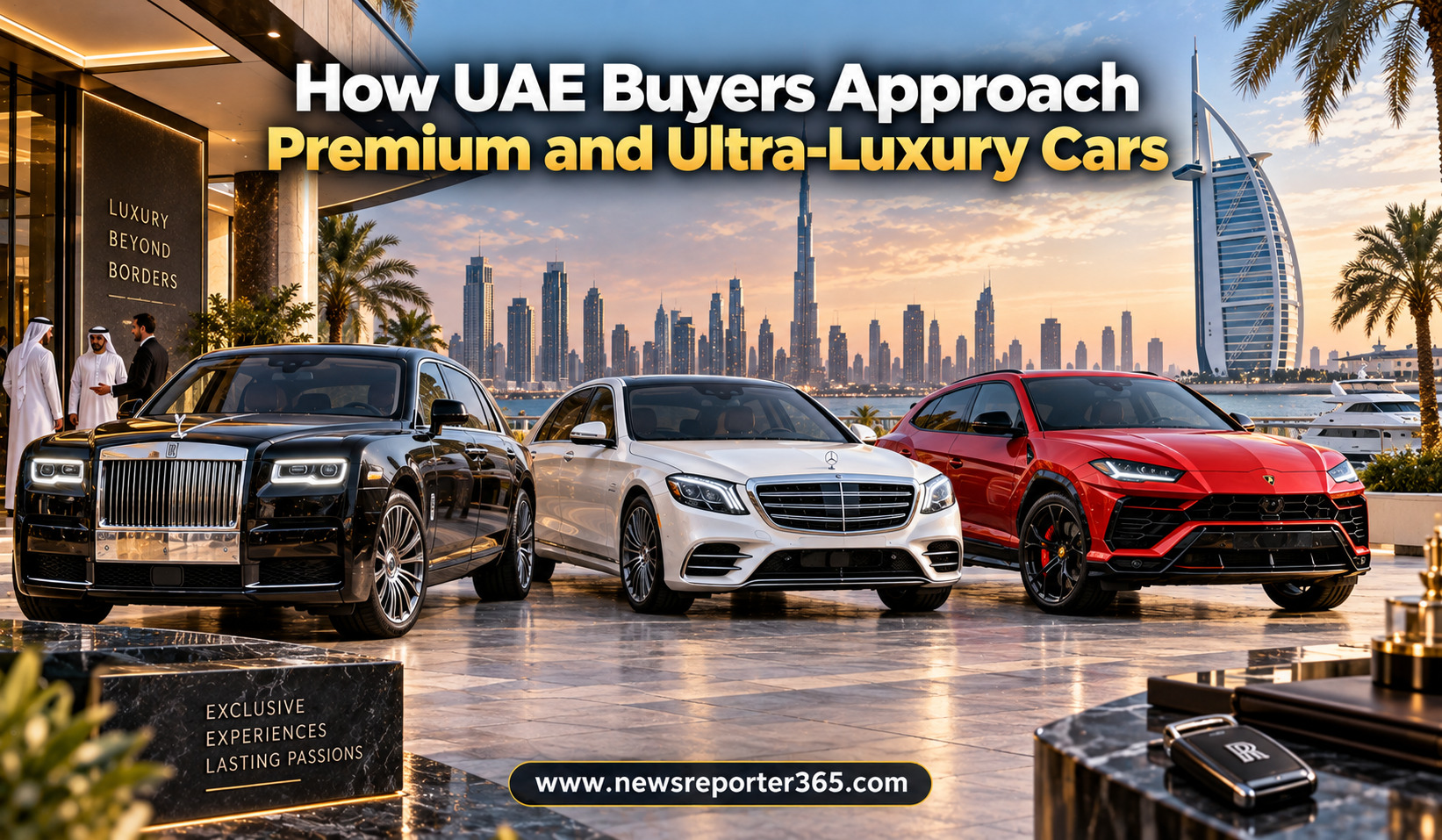
The United Arab Emirates has developed into one of the world’s most recognisable markets for premium and ultra-luxury automobiles. From Dubai’s busy urban roads to Abu Dhabi’s high-end residential areas, expensive vehicles are a familiar part of the automotive landscape. Luxury SUVs, high-performance sports cars, executive sedans and exotic supercars all have a strong presence in the country.
However, UAE buyers do not necessarily approach luxury cars in the same way as mainstream customers. A premium vehicle is often expected to combine performance, comfort, technology and design, while ultra-luxury buyers may place even greater importance on exclusivity, personalisation and brand image.
The country’s strong luxury retail environment, international population, high-end tourism industry and well-developed road infrastructure have also helped create an environment where premium vehicles can become lifestyle products rather than simply modes of transportation.
Luxury Cars Are Closely Connected With Lifestyle
For many UAE buyers, choosing a luxury car is about more than getting from one location to another. The vehicle can form part of a broader lifestyle that includes business, social events, travel and entertainment.
Dubai in particular has become internationally associated with luxury shopping, premium hospitality and high-end automotive culture. This creates a market where distinctive vehicles can have strong appeal.
A buyer may therefore consider factors such as how a car looks outside a hotel, how comfortable it is during long highway journeys and how effectively it represents personal taste. Brand recognition can matter, but so can the uniqueness of the individual specification.
This helps explain the popularity of brands such as Mercedes-Benz, BMW, Bentley, Rolls-Royce, Porsche, Ferrari, Lamborghini and Aston Martin among different sections of the UAE luxury market.
SUVs Have Become a Major Luxury Choice
Luxury SUVs have changed the premium-car market across the UAE. Their combination of road presence, cabin space and driving position makes them attractive to buyers who want an expensive vehicle that can also function as a practical daily car.
Large SUVs are particularly suited to families and customers who regularly travel between cities. Models from brands such as Range Rover, Mercedes-Benz, BMW, Cadillac and Lexus offer different interpretations of premium SUV ownership.
The climate also makes factors such as air-conditioning performance and cabin comfort especially important. A luxury vehicle is expected to provide a comfortable environment before, during and after a journey.
At the ultra-luxury end, buyers can move towards vehicles such as the Range Rover SV, Bentley Bentayga or Rolls-Royce Cullinan, where luxury is combined with greater exclusivity and extensive personalisation.
Performance Remains a Strong Attraction
The UAE’s wide highways and strong automotive culture have also created demand for high-performance vehicles. Sports cars and supercars remain an important part of the luxury market, particularly among enthusiasts and collectors.
Ferrari, Lamborghini, McLaren and Porsche compete in this area with models that focus heavily on acceleration, handling and emotional appeal.
Yet performance does not always mean choosing the most powerful car available. Some buyers prefer a grand tourer that combines speed with long-distance comfort. Others may prioritise track capability, while collectors may be more interested in rarity and heritage.
This creates several different buyer groups within the same luxury-performance market.
Personalisation Is Becoming More Important
One of the clearest differences between premium and ultra-luxury vehicles is the level of personalisation available.
A premium buyer may select a colour, wheel design and technology package. An ultra-luxury buyer may expect considerably more control over the vehicle’s specification, including unique paint finishes, bespoke interior materials, stitching, wood, metal details and other individual touches.
For these customers, buying a luxury car is partly about creating something that does not look identical to another vehicle parked nearby.
This is particularly relevant to brands that operate dedicated bespoke programmes. At the highest level of the market, exclusivity can become as important as performance.
Brand Heritage Still Carries Weight
Luxury-car buyers in the UAE have access to almost every major international automotive brand, making brand heritage an important part of the purchasing decision.
Some buyers are attracted to the motorsport history of Ferrari or Porsche. Others may prefer the engineering reputation of Mercedes-Benz and BMW. Rolls-Royce and Bentley offer a different interpretation centred around handcrafted luxury and exclusivity.
Lexus has developed an appeal based on refinement and Japanese craftsmanship, while Range Rover has built a strong identity around luxury SUVs.
The choice therefore often reflects the type of luxury experience a customer wants rather than simply the price of the vehicle.
Premium Technology Is Expected
Technology is now an essential part of the luxury-car experience in the UAE. Buyers increasingly expect large displays, advanced connectivity, premium sound systems and sophisticated driver-assistance features.
However, technology is also being judged by how well it integrates into the cabin. A complicated system can reduce the feeling of luxury if drivers have to spend too much time navigating menus.
Modern premium vehicles are therefore focusing on voice commands, connected services, digital displays and simplified controls. High-end sound systems and rear-seat entertainment are also important for customers who spend significant time travelling.
For ultra-luxury buyers, technology is often combined with traditional craftsmanship rather than replacing it.
Electric Luxury Cars Are Creating a New Choice
Electrification is gradually changing the luxury-car landscape in the UAE. Electric vehicles can offer extremely quiet operation and rapid acceleration, characteristics that fit naturally into the premium segment.
Luxury manufacturers are introducing electric SUVs, sedans and performance cars to appeal to buyers interested in new technology. The availability of charging infrastructure is also becoming increasingly relevant as EV ownership expands.
However, the transition is not uniform. Many luxury buyers continue to value the sound and character of petrol-powered engines, particularly in sports cars and ultra-luxury vehicles.
This means UAE consumers currently have a wide range of choices, from conventional petrol vehicles to hybrids and fully electric luxury models.
How Premium and Ultra-Luxury Buyers Differ
The terms “premium” and “ultra-luxury” are often used together, but they represent different purchasing priorities.
| Factor | Premium Car Buyer | Ultra-Luxury Buyer |
| Main priority | Comfort, technology and performance | Exclusivity, craftsmanship and personalisation |
| Brand importance | High | Extremely high |
| Personalisation | Optional packages and specifications | Extensive bespoke options |
| Performance | Important | Can be important but not always the priority |
| Interior | High-quality materials and technology | Handcrafted and highly customised |
| Ownership | Daily usability matters | Exclusivity and experience can dominate |
A premium buyer may compare several brands before making a decision. An ultra-luxury customer may already have a strong preference for a particular marque and then focus on creating the right specification.
Resale Value Can Influence Decisions
Even at the luxury end of the market, buyers can consider depreciation. Some vehicles maintain stronger demand because of brand reputation, limited availability or desirable specifications.
SUVs can have a particular advantage because of their broad appeal and practical nature. Certain performance cars can also maintain demand when production numbers are limited or when they have strong enthusiast followings.
However, depreciation varies considerably between models. Options and individual specifications can also influence the attractiveness of a used luxury car.
Buyers therefore may consider the long-term market for a vehicle rather than focusing only on its original purchase price.
UAE Buyers Also Value Everyday Usability
Despite the emphasis on luxury and performance, practicality remains important. A vehicle that is difficult to use every day may not appeal to buyers who want a single premium car for commuting, family activities and long-distance travel.
This is one reason luxury SUVs and comfortable grand-tourers have become so significant.
Four factors can make a luxury car particularly suitable for everyday UAE use:
- Strong climate-control performance and comfortable seating.
- Good highway refinement and stable long-distance driving.
- Useful technology and connectivity.
- Practical luggage and passenger space.
These characteristics allow a luxury vehicle to remain enjoyable without becoming inconvenient.
Luxury Car Ownership Is Also About Experience
The buying experience can be almost as important as the car itself. Customers spending significant amounts expect professional sales support, convenient servicing and a high level of after-sales attention.
Dealership experience, service facilities and access to genuine parts can therefore influence brand loyalty. At the ultra-luxury level, customers may expect highly personalised communication and service.
This is particularly important in a market where buyers can choose from numerous international luxury manufacturers. A brand must offer more than an attractive vehicle to create a long-term relationship.
Dubai’s Automotive Culture Adds Another Dimension
Dubai has developed a strong car culture that includes luxury dealerships, automotive events, specialist workshops and enthusiast communities. This environment gives buyers opportunities to explore everything from mainstream premium SUVs to rare supercars.
Social visibility can also influence purchasing behaviour. A distinctive luxury vehicle can become part of an individual’s public image, particularly in a city where premium cars are highly visible.
At the same time, the market is becoming more sophisticated. Buyers have access to international reviews, online configurators, specialist dealers and global pricing information. This makes customers more informed about specifications and technology than ever before.
What the Future Could Look Like
The UAE luxury-car market is likely to become increasingly diverse. Traditional petrol-powered vehicles will continue to appeal to enthusiasts and buyers who value engine character, while hybrid and electric models will attract customers interested in efficiency and new technology.
Luxury SUVs are expected to remain particularly important because they combine premium comfort with everyday usability. At the top end, bespoke personalisation will continue to differentiate ultra-luxury brands from conventional premium manufacturers.
Another important development will be the growing role of software and connectivity. Luxury vehicles are increasingly becoming digital products, with over-the-air updates, connected services and advanced driver-assistance systems becoming part of the ownership experience.
Conclusion
UAE buyers approach premium and ultra-luxury cars with a combination of practicality, performance, technology and lifestyle considerations. While some customers want an everyday luxury SUV, others are searching for a high-performance sports car or an ultra-exclusive vehicle with extensive personalisation.
The country’s luxury market is also changing as electric and hybrid vehicles become more prominent. Yet traditional qualities such as craftsmanship, brand heritage and driving character remain important.
Ultimately, the UAE luxury-car buyer has more choice than ever before. The strongest brands will be those that can combine premium engineering with an ownership experience that feels genuinely special. Whether the preference is a sophisticated SUV, a powerful sports car or a bespoke ultra-luxury model, the UAE continues to be one of the world’s most interesting markets for high-end automobiles.
Frequently Asked Questions
Why are luxury cars popular in the UAE?
Luxury cars are popular because the UAE has a strong premium lifestyle market, modern road infrastructure and a large customer base interested in comfort, performance, technology and exclusivity.
Are luxury SUVs more popular than sports cars in the UAE?
Luxury SUVs have become an important part of the market because they combine comfort, space and road presence. Sports cars and supercars remain highly desirable among enthusiasts and collectors.
What do UAE buyers look for in a luxury car?
Buyers commonly consider design, comfort, technology, performance, brand reputation, personalisation and ownership experience. Individual priorities vary significantly between premium and ultra-luxury customers.
Are electric luxury cars gaining popularity in the UAE?
Yes. Electric luxury vehicles are becoming more visible as manufacturers expand their EV lineups and charging infrastructure develops. However, petrol and hybrid luxury cars continue to have strong appeal.
What is the difference between premium and ultra-luxury cars?
Premium vehicles focus on high-quality materials, technology, comfort and performance. Ultra-luxury vehicles typically add greater exclusivity, handcrafted details, bespoke personalisation and a more personalised ownership experience.