

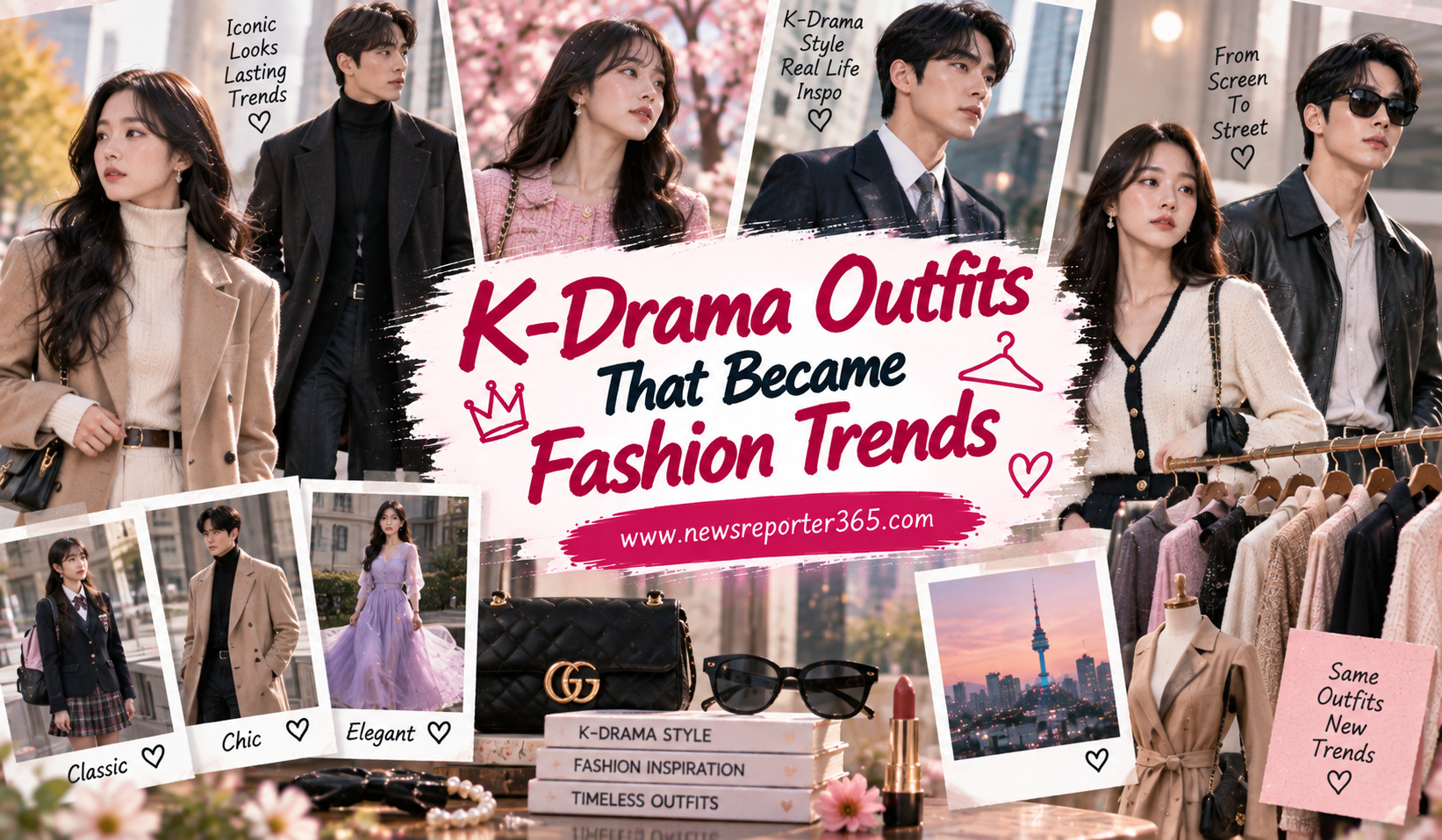
K-dramas are known for memorable romances, dramatic storylines, beautiful locations, and charismatic characters, but fashion has become an equally important part of the viewing experience. A well-styled character can make a simple outfit instantly recognizable, and some drama wardrobes have influenced the way viewers dress long after the final episode.
From polished office suits and elegant dresses to oversized denim and nostalgic school-inspired outfits, K-drama styling has repeatedly turned fictional wardrobes into real-world fashion inspiration. Costume designers often use clothing to communicate a character’s personality, social status, profession, and emotional development, which makes the outfits feel like part of the story rather than simple decoration.
The global popularity of Korean entertainment has also made these fashion moments easier to discover. Viewers can screenshot an outfit, search for similar pieces, and recreate the look almost immediately. This has helped transform K-drama fashion from screen styling into a major source of everyday outfit inspiration.
Why K-Drama Fashion Creates Real Trends
K-drama wardrobes are carefully planned around the characters. A wealthy heroine may wear structured jackets and elegant accessories, while a university student may appear in cardigans, denim, sneakers, and casual layers. Because the clothing reflects the character, viewers often develop an emotional connection with the style.
Another reason K-drama outfits become trends is their balance between aspiration and practicality. Even when a character wears expensive designer clothing, the overall styling can usually be translated into more accessible pieces.
Some trends become associated with an entire era of Korean drama fashion, while others are strongly connected to one particular character.
The Chaebol Chic Look of Queen of Tears
Few recent K-dramas demonstrate the power of character styling as clearly as Queen of Tears. Kim Ji-won’s Hong Hae-in presented a polished wardrobe built around structured silhouettes, sophisticated outerwear, elegant accessories, and carefully coordinated colors.
Her outfits captured the image of a modern chaebol heiress without relying on excessive decoration. Tailored jackets, refined coats, matching sets, polished handbags, and understated jewelry created a powerful yet sophisticated aesthetic.
Why Hong Hae-in’s Style Became So Popular
The appeal of this fashion direction lies in its simplicity. The clothing looks expensive because the silhouettes are clean and the styling is controlled.
The look can easily be recreated with a neutral blazer, tailored trousers, a structured handbag, and minimal jewelry. The result works for offices, dinners, events, and even everyday city dressing.
This style also helped popularize the idea of quiet power dressing in K-drama fashion. Instead of wearing an outfit covered in obvious logos, the character communicates status through fit, fabric, and coordination.
Office Fashion Inspired by What’s Wrong With Secretary Kim
Park Min-young’s Kim Mi-so in What’s Wrong With Secretary Kim became a major source of office-style inspiration. Her wardrobe combined feminine blouses, fitted skirts, tailored trousers, elegant heels, and structured handbags.
The outfits were professional without looking overly conservative. Soft colors and delicate details kept the office wardrobe youthful, while clean silhouettes maintained a polished appearance.
The Modern Korean Office Look
The popularity of Kim Mi-so’s style demonstrates how workplace clothing can be both practical and fashionable. Instead of relying on traditional corporate suits, the character frequently used coordinated separates.
The look can be adapted through pieces such as:
- Blouses with subtle bows, collars, or feminine details.
- Tailored trousers and knee-length skirts.
- Structured blazers in neutral or pastel shades.
- Simple handbags and elegant footwear.
This style remains especially useful for anyone looking for workwear that can transition naturally into after-work occasions.
The Retro Revival of Twenty-Five Twenty-One
Twenty-Five Twenty-One brought a strong nostalgic quality to K-drama fashion. Set during the late 1990s, the drama featured high-waisted denim, sporty jackets, simple tops, relaxed silhouettes, and youthful accessories.
Kim Tae-ri’s Na Hee-do became particularly associated with energetic and nostalgic styling. Her outfits captured the youthful atmosphere of the story without feeling like modern clothing had simply been given a vintage filter.
The renewed interest in retro denim and sporty casualwear shows how K-dramas can introduce older fashion aesthetics to younger audiences. Instead of reproducing a decade exactly, modern viewers often borrow individual elements and combine them with contemporary pieces.
The Elegant Fantasy Style of Hotel Del Luna
IU’s Jang Man-wol in Hotel Del Luna offered a completely different approach to K-drama fashion. Her wardrobe was dramatic, luxurious, vintage-inspired, and often highly sophisticated.
Beautiful dresses, structured silhouettes, statement accessories, elegant hats, and rich styling helped create the character’s mysterious identity. Clothing was almost another character in the drama.
The appeal of Jang Man-wol’s fashion comes from its theatrical quality. It demonstrated that television styling can influence viewers even when the clothes are not designed for everyday wear.
Instead of copying an entire look, fashion lovers can take inspiration from the aesthetic through vintage dresses, pearl accessories, elegant handbags, or statement outerwear.
Preppy Fashion and True Beauty
True Beauty helped bring renewed attention to youthful preppy styling. School uniforms were naturally central to the story, but the overall aesthetic extended into casual clothing with cardigans, plaid patterns, skirts, knitwear, and accessories.
Moon Ga-young’s Lim Ju-kyung represented a polished but youthful fashion direction that appealed strongly to viewers interested in Korean campus and school-inspired looks.
The influence of this style can be seen in the continuing popularity of:
- Pleated skirts and plaid patterns.
- Oversized cardigans and knitwear.
- Mary Jane-style shoes and loafers.
- Small shoulder bags and youthful accessories.
The modern version of preppy fashion does not need to look like a uniform. Combining one preppy element with denim or relaxed basics can make the look feel more contemporary.
Power Suits and the Vincenzo Effect
K-drama fashion is not limited to female characters. Song Joong-ki’s Vincenzo Cassano in Vincenzo brought a dramatic interpretation of sophisticated menswear.
Sharp suits, crisp shirts, polished shoes, refined coats, and carefully chosen accessories created an image of confidence and authority. The character’s wardrobe matched his personality: controlled, sophisticated, and intimidating when necessary.
The style also demonstrated how classic menswear can become visually memorable when fit and styling are given attention.
Rather than copying an entire three-piece suit, everyday wardrobes can borrow the same principle through tailored trousers, a well-fitted blazer, a clean shirt, and polished footwear.
Crash Landing on You and Romantic Feminine Fashion
Son Ye-jin’s Yoon Se-ri in Crash Landing on You showcased another influential K-drama aesthetic: polished feminine dressing. Her character’s wardrobe included elegant dresses, sophisticated coats, coordinated separates, and beautifully styled casual pieces.
The fashion worked because it reflected the character’s personality. Yoon Se-ri is confident and successful, so her clothes often appear refined and intentional. Even her casual outfits maintain a sense of polish.
The romantic fashion associated with the drama helped reinforce the appeal of feminine silhouettes, soft colors, elegant outerwear, and understated accessories.
It’s Okay to Not Be Okay and Statement Dressing
Ko Moon-young from It’s Okay to Not Be Okay became memorable not only for her personality but also for her highly distinctive wardrobe. Seo Ye-ji’s character frequently appeared in dramatic silhouettes, statement sleeves, structured dresses, bold accessories, and sophisticated styling.
Unlike minimalist K-drama fashion, this wardrobe embraced fashion as a form of character expression.
The lesson from Moon-young’s style is that one dramatic piece can transform an otherwise simple outfit. A sculptural sleeve, unusual neckline, dramatic coat, or striking accessory can create a strong visual identity.
K-Drama Outfits That Changed Fashion Conversations
| K-Drama | Character | Signature Fashion Trend | Style Mood |
| Queen of Tears | Hong Hae-in | Chaebol chic and refined tailoring | Sophisticated |
| What’s Wrong With Secretary Kim | Kim Mi-so | Feminine office wear | Polished |
| Twenty-Five Twenty-One | Na Hee-do | Retro casual fashion | Youthful |
| Hotel Del Luna | Jang Man-wol | Vintage luxury | Dramatic |
| True Beauty | Lim Ju-kyung | Preppy fashion | Playful |
| Vincenzo | Vincenzo Cassano | Modern power dressing | Sharp |
| Crash Landing on You | Yoon Se-ri | Elegant feminine style | Romantic |
| It’s Okay to Not Be Okay | Ko Moon-young | Statement fashion | Avant-garde |
How to Recreate K-Drama Fashion Without Copying It Exactly
The easiest way to bring K-drama fashion into your own wardrobe is to focus on the styling idea rather than copying every detail.
If you love the office elegance of Kim Mi-so, start with a tailored blazer and feminine blouse. If Hong Hae-in’s wardrobe appeals to you, experiment with monochrome outfits and structured accessories. Fans of Na Hee-do’s style can combine relaxed denim with retro sneakers and sporty layers.
The most wearable approach is to choose one recognizable element and build the rest of the outfit around it.
For example, you could pair:
- A structured blazer with straight-leg denim.
- A feminine blouse with relaxed trousers.
- A vintage-inspired skirt with a modern knit.
- A statement coat with a simple monochrome outfit.
This keeps the inspiration visible without making the outfit look like a costume.
Why K-Drama Fashion Continues to Influence Trends
K-drama fashion has become powerful because clothing is integrated into storytelling. Viewers do not simply see a beautiful dress; they associate it with a character they admire, a romantic moment, an emotional scene, or an important turning point.
That emotional connection makes fashion more memorable.
The influence also continues after a drama finishes. Viewers revisit favorite scenes, share outfit images, recreate styling ideas, and introduce older dramas to new audiences. As a result, a fashion trend from one series can return years later with a more modern interpretation.
K-dramas have also helped normalize the idea that everyday clothing can be stylish without being complicated. Layering, neutral colors, tailored pieces, vintage details, and thoughtful accessories can create an elevated appearance without requiring an entirely new wardrobe.
The Future of K-Drama Fashion Trends
The next phase of K-drama styling is likely to be even more diverse. Minimalist tailoring can exist alongside vintage fashion, streetwear, romantic styling, and experimental silhouettes.
Modern Korean fashion increasingly mixes polished pieces with relaxed clothing. A tailored coat may be worn with sneakers, a feminine skirt with an oversized jacket, or a simple outfit with one dramatic accessory.
This flexibility is one reason K-drama fashion continues to appeal to international audiences. It does not demand one particular aesthetic. Instead, it offers a collection of styling ideas that can be adapted to different personalities and lifestyles.
Final Thoughts
K-drama outfits have become much more than beautiful costumes on television. They have influenced office wardrobes, street style, retro fashion, romantic dressing, menswear, and modern luxury aesthetics.
From Hong Hae-in’s sophisticated tailoring and Kim Mi-so’s feminine workwear to Na Hee-do’s nostalgic casual looks and Jang Man-wol’s dramatic vintage wardrobe, memorable characters have helped turn fictional clothing into real-world fashion inspiration.
The most useful lesson is not to copy every outfit exactly. Instead, identify what makes a character’s style distinctive and incorporate one or two of those elements into your own wardrobe. With the right proportions, colors, and accessories, even a simple everyday outfit can capture the effortless appeal of K-drama fashion.
Frequently Asked Questions
1. Which K-drama has the most influential fashion?
Several dramas have made a strong impact through their styling, including Queen of Tears, What’s Wrong With Secretary Kim, Hotel Del Luna, Twenty-Five Twenty-One, True Beauty, Crash Landing on You, and It’s Okay to Not Be Okay. Each introduced a different fashion direction.
2. What is K-drama fashion?
K-drama fashion refers to the clothing, accessories, styling, and beauty looks worn by characters in Korean television dramas. It often combines contemporary Korean trends with character-specific details.
3. How can I recreate K-drama outfits affordably?
Start with wardrobe basics such as blazers, denim, neutral tops, skirts, cardigans, tailored trousers, and simple accessories. Choose one defining element from your favorite character’s style instead of trying to recreate the entire outfit.
4. Why do K-drama outfits become fashion trends?
Viewers develop emotional connections with characters and naturally become interested in their clothing. Social media, outfit searches, fan communities, and the global popularity of Korean entertainment can further spread these fashion ideas.
5. Which K-drama character is known for luxury fashion?
Hong Hae-in from Queen of Tears and Jang Man-wol from Hotel Del Luna are two memorable examples. Hong Hae-in represents polished modern luxury, while Jang Man-wol is known for a more dramatic and vintage-inspired interpretation of luxury fashion.