

Introduction
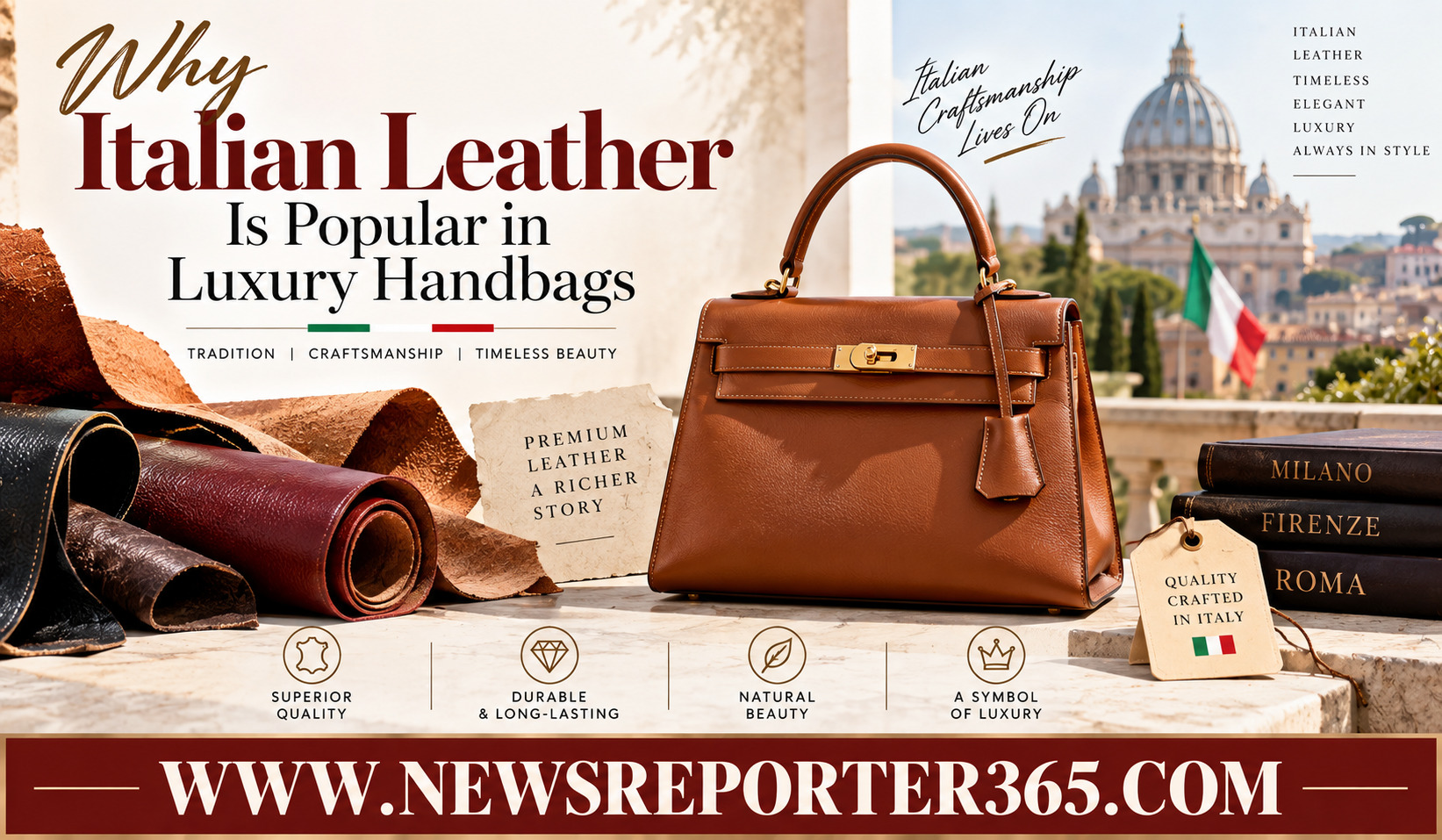
You notice a small tag reading Made in Italy, and somehow that alone changes how the bag feels in your hands. This reaction is not just perception, since Italian leather carries a genuine, centuries old reputation built on real technique and regional expertise.
Understanding why Italian leather earned this status helps explain much of the pricing and prestige tied to luxury handbags today. This article covers the history, techniques, and regional factors that continue to make Italian leather a top choice for major brands.
The Historical Roots of Italian Leathermaking
Italy’s relationship with leatherworking stretches back centuries, closely tied to its broader history as a center of craftsmanship and trade. Regions across the country developed specialized tanning and leatherworking traditions long before luxury fashion became a global industry.
This deep history created generational knowledge passed down through families and workshops, rather than knowledge learned purely through formal industrial training. Many tanneries operating today trace their techniques back through multiple generations of the same family businesses.
This continuity matters because leatherworking, especially traditional tanning, relies heavily on accumulated experience rather than fixed, easily transferable instructions. A tannery with decades of institutional knowledge can make subtle adjustments that newer operations often cannot replicate as effectively.
What Makes Italian Tanning Techniques Distinct
Italian tanneries are particularly known for vegetable tanning, a slower, more traditional process compared to faster chemical alternatives used elsewhere. This method relies on natural tannins extracted from tree bark, leaves, and other plant materials rather than synthetic chemical compounds.
Why Vegetable Tanning Remains a Signature Technique
Vegetable tanning can take several weeks to complete, involving repeated soaking and treatment cycles that gradually strengthen the leather’s fiber structure. The resulting material develops a firm, substantial feel along with a natural ability to age into a rich, deepening patina over time.
Many Italian tanneries have refined this process over generations, adjusting timing, temperature, and tannin composition based on accumulated experience rather than fixed industrial formulas. This level of nuanced control is part of what gives Italian vegetable tanned leather its distinct reputation.
Attention to Finishing Detail
Beyond tanning itself, Italian workshops are often recognized for meticulous finishing work, including hand applied dyes and carefully controlled drying processes. These finishing steps influence both the color depth and surface texture of the final leather.
The Role of Regional Tanneries Like Tuscany
Certain Italian regions have become particularly associated with high quality leather production, with Tuscany standing out as one of the most well known centers. The area around towns like Santa Croce sull’Arno has built a reputation specifically around vegetable tanned leather production.
Why Regional Concentration Matters
When many skilled tanneries operate within a close geographic area, knowledge and technique tend to spread and improve through close professional proximity. Suppliers, tool makers, and specialized workers cluster around these regions, creating an entire supporting ecosystem focused on leather quality.
This concentration also allows for stronger quality control and consistency, since many luxury brands work directly with specific regional tanneries they trust based on long standing relationships. Some partnerships between fashion houses and Italian tanneries have lasted for decades, reinforcing consistent quality across collections.
How Italian Leather Compares to Other Origins
Italy is far from the only country producing quality leather, and comparing regional strengths helps clarify why Italian leather specifically holds such a strong reputation in luxury handbags.
| Leather Origin | Known Strength | Common Tanning Style | Typical Use Case |
| Italy | Craftsmanship, vegetable tanning tradition | Vegetable and chrome tanning | High end luxury handbags |
| France | Fine finishing, exotic leather expertise | Chrome and specialized tanning | Luxury handbags and accessories |
| Spain | Strong industrial leather production | Primarily chrome tanning | Mid range leather goods |
| United States | Rugged, durable leather traditions | Primarily chrome tanning | Casual and workwear leather goods |
This comparison shows that while other countries produce genuinely strong leather, Italy’s specific combination of traditional technique and concentrated regional expertise gives it a particular edge within the luxury handbag category.
Why Brands Continue Choosing Italian Leather
Major luxury brands, including several not headquartered in Italy, continue sourcing leather from Italian tanneries specifically because of this established reputation and consistent quality. This choice affects both product performance and brand perception among buyers.
A few reasons brands keep returning to Italian leather:
- Established, trusted relationships with specific tanneries built over many years
- A recognizable quality standard that supports premium pricing
- Access to specialized techniques like traditional vegetable tanning
- Strong existing infrastructure supporting large scale luxury production
The Marketing Value of Italian Leather
Beyond pure material quality, the phrase Italian leather itself carries significant marketing weight among luxury consumers. This perception, built over decades of consistent quality, allows brands to reinforce prestige simply through sourcing transparency on product labels and marketing materials.
This does not mean the reputation is purely marketing driven, since the underlying craftsmanship genuinely supports the perception. It does mean that origin alone has become a meaningful part of how buyers evaluate a handbag’s overall value.
What to Look for When Buying Italian Leather Goods
Not every product labeled with Italian leather carries the same level of quality, since sourcing claims can vary in how they are applied. Learning what to check helps buyers separate genuine quality from simple marketing language.
Practical checks to consider:
- Look for specific tannery or regional information beyond a general Made in Italy label.
- Check whether the leather is described as vegetable tanned or chrome tanned, since this affects texture and aging.
- Examine the leather’s grain and texture in person or through detailed photos when possible.
- Research whether the brand has a documented, long term relationship with specific Italian tanneries.
Key Takeaways
- History supports the reputation: Generational leatherworking knowledge continues shaping Italian tanning quality today.
- Vegetable tanning remains a signature technique: This slower process produces leather known for rich, natural aging.
- Regional concentration strengthens quality: Areas like Tuscany benefit from clustered expertise and infrastructure.
- Comparisons show a real, earned edge: Italian leather stands out through a specific mix of tradition and craftsmanship.
- Labels alone do not guarantee quality: Buyers benefit from checking tanning method and specific regional sourcing details.
FAQs
Is all Italian leather vegetable tanned?
No, Italian tanneries also use chrome tanning, though vegetable tanning remains a particularly strong regional specialty.
Why is Tuscany specifically known for leather production?
The region built a strong reputation around vegetable tanned leather, supported by generations of specialized tanneries.
Does Italian leather always cost more than other origins?
Generally yes, due to both craftsmanship reputation and established luxury brand sourcing relationships.
Can other countries produce leather of similar quality to Italy?
Yes, countries like France also produce excellent leather, though Italy holds a particularly strong reputation in luxury handbags specifically.
Is a Made in Italy label always a reliable quality indicator?
Not entirely on its own, since checking tanning method and specific sourcing details offers a clearer picture of true quality.
Conclusion
Italian leather earned its strong reputation in luxury handbags through a genuine combination of history, technique, and regional expertise built over generations. From traditional vegetable tanning to the concentrated craftsmanship found in regions like Tuscany, the reputation reflects real, ongoing quality rather than marketing alone. Understanding these details helps buyers appreciate exactly what they are paying for when a handbag carries that small, meaningful label.