

Introduction
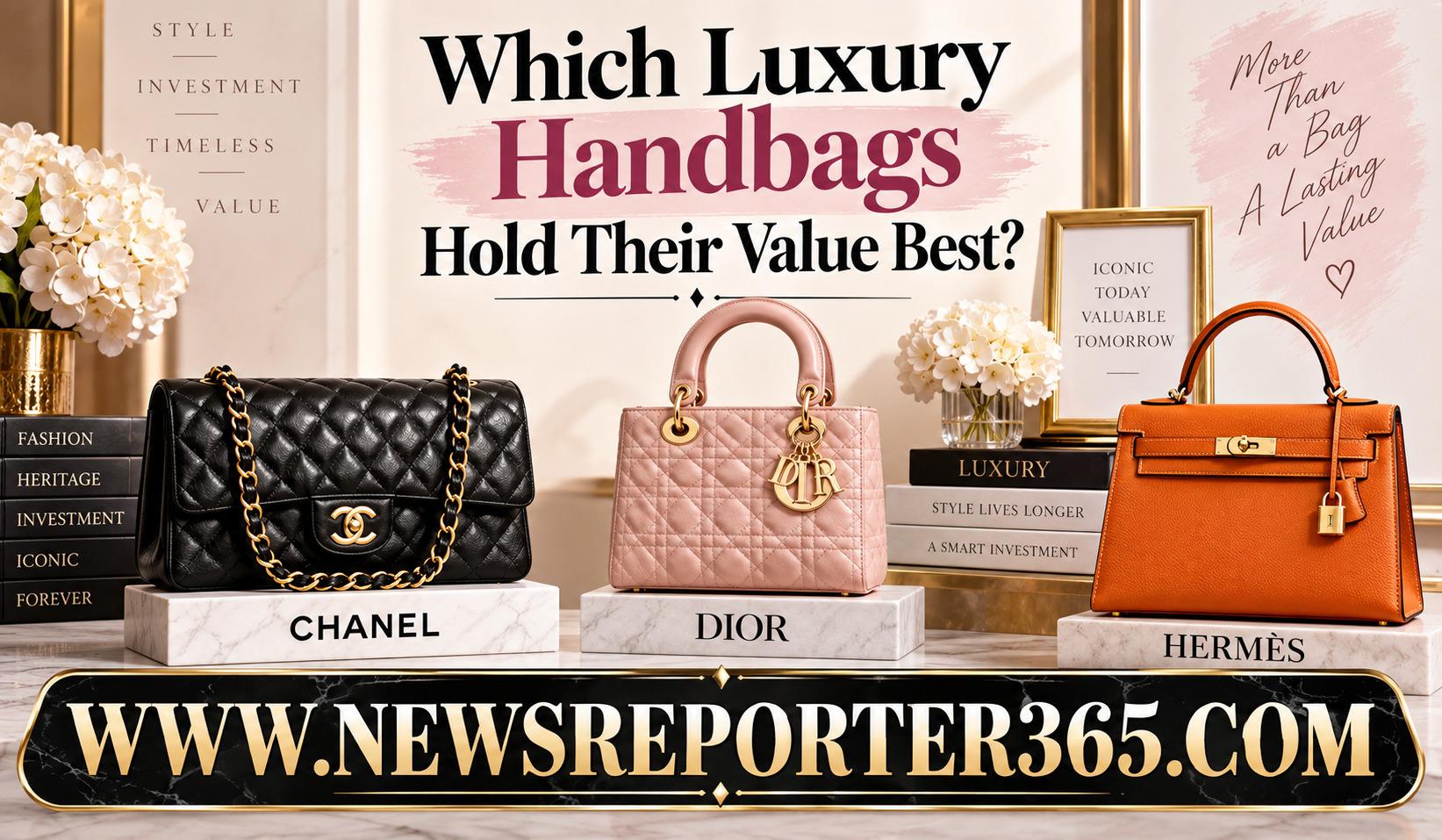
Some luxury handbags now sell for more on the resale market than they cost brand new in a boutique. That single fact turns the usual idea of depreciation upside down, and it explains why so many buyers now treat handbags as genuine financial assets. Which luxury handbags hold their value best depends on a specific mix of brand control, scarcity, and enduring design, not just a high price tag. This guide breaks down the brands and styles that consistently perform strongest on the resale market, and why they manage to do it.
A Handbag That Sells for More Than Retail
Most consumer goods lose value the moment they leave the store. A small group of luxury handbags breaks that pattern entirely.
Hermès sits at the center of this trend. Authenticated Hermès bags regularly sell on the secondary market for more than their original retail price, a result of the brand’s tightly controlled supply and enormous ongoing demand.
This pattern is not limited to Hermès. Several other brands and specific models show similar strength, though usually with a smaller gap between resale and retail pricing.
Hermès: The Gold Standard of Value Retention
Hermès leads the resale market by a wide margin. Recent industry reporting places average Hermès value retention well above 100 percent, meaning most bags sell for more than their original price once resold.
The Birkin has long been the brand’s flagship investment piece, though the Mini Kelly has recently overtaken it in some rankings, at times fetching well above double its original retail price. The Constance, considered part of the brand’s core lineup, also appreciates consistently.
Hermès achieves this through deliberate scarcity. The brand limits production, uses a waitlist and relationship-based buying process, and rarely discounts, all of which keep demand well ahead of supply.
Chanel: Steady Appreciation Through Price Increases
Chanel’s resale strength works differently than Hermès, though the outcome is similar. The brand raises retail prices multiple times a year, and each increase pushes up the resale value of bags already in circulation.
The Classic Flap remains the clearest example. A Medium Classic Flap in black caviar leather with gold hardware has appreciated dramatically over the past decade and a half, tracking closely with Chanel’s repeated retail price hikes.
Because resale buyers know a new Classic Flap will likely cost more next year, a well maintained pre-owned example in a classic color and neutral hardware combination often sells close to current retail pricing.
| Brand | Standout Model | What Drives Its Value |
| Hermès | Birkin, Mini Kelly, Constance | Controlled supply, waitlists, minimal discounting |
| Chanel | Classic Flap | Frequent retail price increases, iconic design |
| Goyard | Saint Louis, Anjou | No e-commerce, limited boutique access |
| The Row | Margaux | Frequent sellouts, quiet luxury demand |
| Bottega Veneta | Andiamo, Jodie | Craftsmanship-driven design, steady demand |
Goyard and The Row: Quiet Scarcity
Not every strong resale performer relies on a famous logo. Goyard has built consistent value retention through simple, structural scarcity: the brand sells almost nothing online and keeps a small number of boutiques worldwide.
That limited access alone keeps resale prices for popular totes like the Saint Louis close to, or sometimes above, original retail, particularly for discontinued or limited edition colorways.
The Row follows a similar pattern from a newer angle. Pieces like the Margaux frequently sell out at retail, which pushes resale prices near or above the original price, driven largely by the broader quiet luxury movement.
What All Top Performers Have in Common
Despite different strategies, the strongest resale performers share a few clear traits. Controlled supply sits at the top of that list, whether through waitlists, limited boutiques, or restricted online availability.
Design longevity matters just as much. Every bag mentioned here uses a silhouette that has remained recognizable for years, sometimes decades, rather than chasing a single season’s trend.
Condition and documentation also play a real role in whether a bag reaches its full resale potential. A pristine example with its original box, dust bag, and receipt consistently outperforms an identical bag without them.
Key Takeaways
- Top performer: Hermès leads the resale market, with several models regularly selling above original retail price.
- Steady climber: Chanel’s Classic Flap appreciates in step with the brand’s frequent retail price increases.
- Quiet scarcity: Goyard and The Row hold strong value through limited access rather than aggressive marketing.
- Shared traits: Controlled supply, lasting design, and complete documentation drive resale strength across brands.
- Buyer takeaway: A bag’s long-term value depends more on scarcity and design than on price alone.
Frequently Asked Questions
Which luxury handbag brand holds its value best?
Hermès currently holds its value best, with several models regularly reselling above their original retail price.
Does the Chanel Classic Flap still appreciate in value?
The Chanel Classic Flap continues to appreciate, largely because Chanel raises its retail prices several times a year.
Why does Goyard hold value without a well known logo?
Goyard holds value mainly through scarcity, since it sells through few boutiques and avoids e-commerce entirely.
Do all luxury handbags increase in value over time?
Most luxury handbags still lose some value over time, and only a specific group of brands and models consistently appreciate.
What factors most affect a handbag’s resale value?
Brand scarcity, design longevity, condition, and original documentation are the strongest factors affecting resale value.
Conclusion
Which luxury handbags hold their value best comes down to a consistent formula: tightly controlled supply, a design that ages well, and a brand willing to limit access rather than chase volume. Hermès remains the clearest example, with Chanel, Goyard, and The Row following through different but related strategies. Buyers who understand this pattern are far better equipped to choose a handbag that performs as both a fashion piece and a lasting financial asset.