

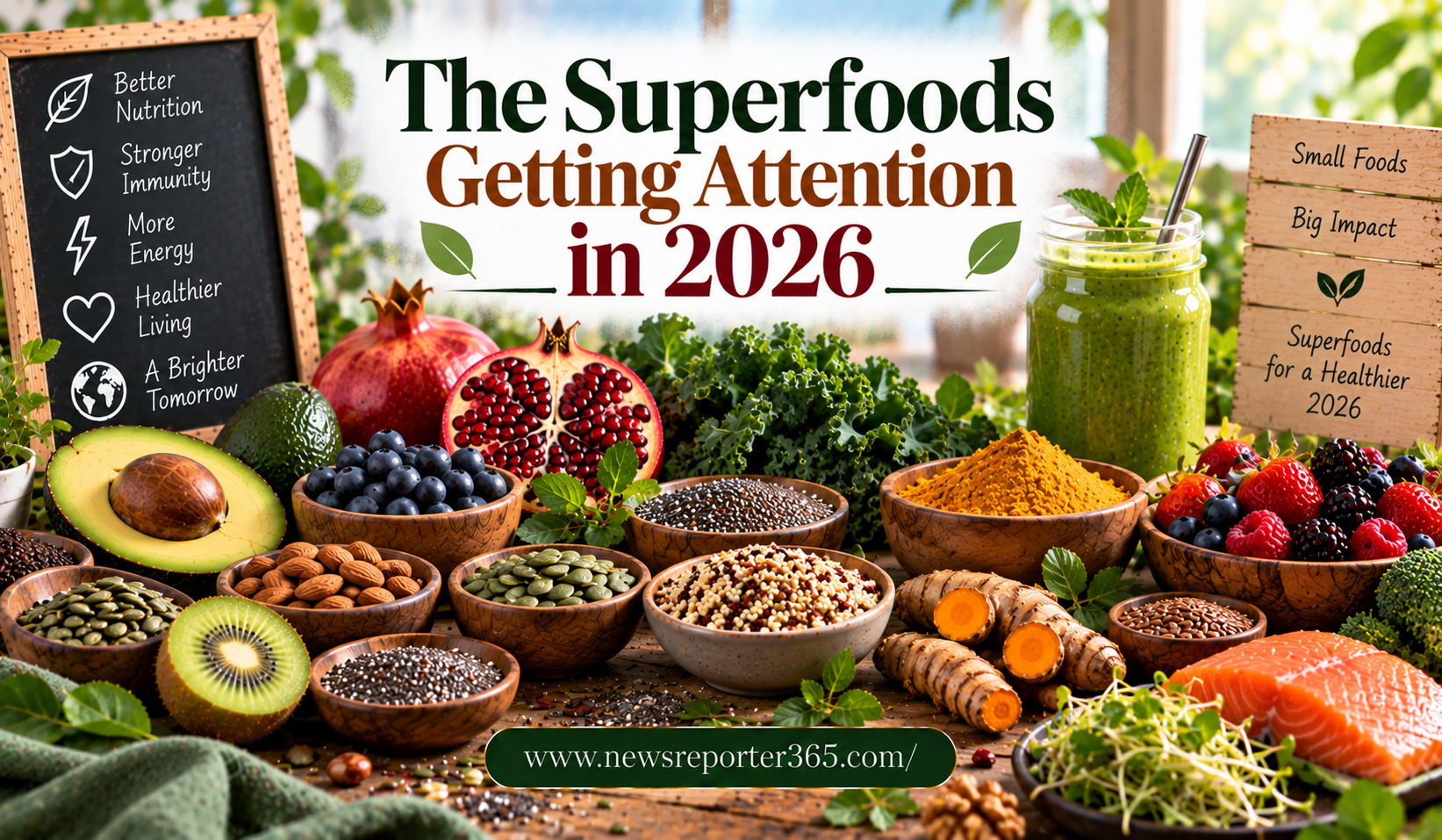
The superfood conversation is changing in 2026. Consumers are becoming more interested in foods that fit into everyday eating habits rather than chasing a single ingredient promoted as a miracle solution. This shift is bringing familiar fruits, seeds, grains, legumes, and plant-based ingredients back into the spotlight while also creating demand for less familiar foods.
The term “superfood” is mainly a marketing expression rather than a formal scientific category. There is no official list of foods that qualify as superfoods. Instead, the label is commonly used for foods that contain notable amounts of nutrients or naturally occurring plant compounds. What matters most is how these foods fit into an overall balanced diet.
In 2026, several food trends are influencing which ingredients attract attention. Interest in fibre, plant-based eating, convenient nutrition, traditional foods, functional ingredients, and sustainable choices is shaping consumer behaviour. As a result, the latest superfood trend is becoming less about one fashionable product and more about variety.
Why Superfoods Remain Popular
Consumers are increasingly interested in understanding the nutritional value of their food. Online information, nutrition-focused content, food creators, and changing lifestyle habits have made terms such as fibre, antioxidants, plant protein, healthy fats, and micronutrients more familiar to everyday shoppers.
Convenience is also important. People often want foods that can easily be added to breakfast bowls, smoothies, salads, snacks, or regular meals. Ingredients that require little preparation can therefore attract attention even when they are not particularly new.
This has helped traditional foods gain a modern audience. Makhana, millet, chia seeds, flaxseeds, amaranth, turmeric, and several regional fruits are being presented in contemporary recipes and packaged-food formats.
Makhana Moves Further Into the Mainstream
Makhana, also known as fox nuts or lotus seeds, continues to attract attention in India and international food markets. Traditionally used in Indian cuisine and fasting foods, it has increasingly appeared as a roasted snack and packaged food.
Its popularity is partly linked to convenience. Roasted makhana can be seasoned with different flavours and consumed as a snack without extensive preparation. Food brands have also introduced flavoured and packaged versions aimed at modern consumers.
Makhana’s growing presence illustrates a broader shift in food trends: consumers are becoming more interested in traditional ingredients when they can be presented in convenient formats.
Chia and Flaxseeds Remain Strong
Seeds continue to occupy an important place in wellness-oriented diets. Chia seeds are commonly used in puddings, smoothies, yogurt, and breakfast bowls, while flaxseeds can be ground and added to cereals, baked foods, and other recipes.
Both have attracted attention because they provide fibre and plant-based nutrients. Their small size and easy storage also make them convenient pantry ingredients.
However, popularity does not mean consumers need large quantities. These ingredients can simply be incorporated into a varied diet according to personal preferences and dietary needs.
Millets Get a Fresh Identity
Millets have benefited from increased interest in traditional grains and dietary diversity. Varieties such as ragi, jowar, bajra, and foxtail millet have long been consumed in different parts of India, but they are now appearing in contemporary products such as breakfast mixes, snacks, flour blends, ready-to-cook foods, and packaged meals.
Their appeal extends beyond nutrition. Millets can also support culinary diversity and offer alternatives to more commonly consumed grains.
As consumers look for different grains and plant-based foods, millet-based products are becoming easier to find in urban supermarkets and online grocery stores.
Berries Continue to Dominate Wellness Content
Berries remain highly visible in global wellness and food discussions. Blueberries, strawberries, raspberries, and blackberries are frequently included in smoothies, breakfast bowls, yogurt combinations, and desserts.
Their popularity is connected to their colour, flavour, versatility, and naturally occurring plant compounds. Frozen berries have also expanded their accessibility by allowing consumers to store them for longer periods.
However, fresh or frozen berries are not the only way to obtain beneficial plant compounds. Many locally available fruits also contribute vitamins, minerals, fibre, and other nutrients.
Pomegranate Gets Continued Attention
Pomegranate continues to appear in health-focused recipes and food content. Its seeds can be added to salads, yogurt, breakfast bowls, and desserts, while the fruit’s distinctive appearance makes it especially popular in visually driven food media.
Pomegranate contains fibre and naturally occurring plant compounds. Its continued popularity demonstrates how consumers are increasingly interested in foods that combine nutritional interest with versatility.
Rather than treating pomegranate as a standalone health solution, consumers can include it alongside a range of fruits and other plant foods.
Avocado Remains a Modern Favourite
Avocado has established itself as a regular ingredient in many contemporary diets. It appears in toast, salads, sandwiches, wraps, smoothies, and dips such as guacamole.
Its popularity comes partly from its texture and versatility. It also provides fibre and predominantly monounsaturated fat.
In 2026, avocado’s appeal is increasingly connected to meal flexibility rather than novelty. It can be used across different cuisines and meal occasions, making it particularly attractive to consumers who enjoy experimenting with food.
Seaweed and Plant-Based Ingredients Expand the Conversation
Seaweed is another ingredient receiving attention as consumers explore foods from different culinary traditions. Different seaweed varieties are used in snacks, sushi, soups, salads, and seasoning products.
Interest in seaweed is linked to its mineral content and its role in several traditional cuisines. At the same time, its growing presence in packaged snacks demonstrates how unfamiliar ingredients can move into mainstream food categories.
Other plant-based ingredients are also receiving attention as consumers look beyond conventional sources of nutrition.
Traditional Indian Ingredients Return to the Spotlight
One of the most noticeable developments in 2026 is the renewed interest in traditional foods. Instead of relying exclusively on imported ingredients, consumers are exploring locally familiar options.
Ingredients such as amla, moringa, turmeric, sesame, coconut, lentils, and various regional fruits can fit naturally into modern meals. Their popularity reflects growing interest in traditional food knowledge while also benefiting from contemporary packaging and recipe formats.
This trend may help shift the definition of a superfood away from expensive imported products and toward nutrient-rich foods that are already available locally.
Superfoods Receiving Attention in 2026
| Food | Main Reason for Interest | Common Uses |
| Makhana | Convenient snack format | Roasted snacks, mixes |
| Chia seeds | Fibre and versatility | Puddings, smoothies, bowls |
| Flaxseeds | Fibre and plant nutrients | Ground into meals and baking |
| Millets | Traditional grain diversity | Rotis, bowls, breakfast foods |
| Berries | Plant compounds and flavour | Smoothies, yogurt, desserts |
| Pomegranate | Fibre and plant compounds | Salads, bowls, snacks |
| Avocado | Texture and healthy-fat profile | Toast, salads, dips |
| Amla | Traditional food interest | Chutneys, preparations, beverages |
| Moringa | Plant-based nutrient interest | Powders, dishes, beverages |
Fibre Becomes More Important Than Hype
A major food trend in 2026 is the growing focus on dietary fibre. Instead of simply asking whether a food is a “superfood,” consumers are increasingly interested in what role it plays in their overall diet.
Fibre-rich foods include fruits, vegetables, legumes, whole grains, nuts, and seeds. This broader category may ultimately have more practical importance than individual superfood trends.
Foods that can contribute fibre while also fitting naturally into everyday meals are therefore likely to remain relevant. This includes traditional staples that may not receive as much attention on social media.
Convenience Is Shaping Superfood Products
Modern consumers increasingly want nutritious foods that are easy to prepare. This has encouraged food manufacturers to turn traditional ingredients into ready-to-eat or ready-to-cook products.
Some of the most visible formats include:
- Snack packs and roasted foods
- Breakfast mixes and cereals
- Smoothie powders and blends
- Ready-to-use seeds and toppings
Convenience can help nutritious ingredients reach more consumers, but shoppers still need to examine labels. A product made with a popular superfood can also contain added sugar, salt, or other ingredients that change its overall nutritional profile.
The Rise of Local and Seasonal Superfoods
The 2026 food conversation is also creating more space for local and seasonal ingredients. Consumers are increasingly discovering that nutritious foods do not have to be imported or expensive.
Indian fruits such as guava, papaya, amla, jamun, and various seasonal produce can contribute to dietary variety. Similarly, pulses, millets, seeds, and vegetables can provide valuable nutrients without being marketed as exotic wellness products.
This approach makes the superfood concept more accessible. Instead of searching for one special ingredient, consumers can build meals around a wider selection of ordinary foods.
Four Trends Shaping the Superfood Market
Several developments are likely to influence the category throughout 2026:
- Traditional foods going modern: Familiar Indian ingredients are being introduced through contemporary recipes and packaged formats.
- Fibre-focused eating: Consumers are paying greater attention to fibre-rich foods rather than relying on individual health claims.
- Convenience: Ready-to-eat snacks, breakfast products, and drink mixes are making superfood ingredients easier to consume.
- Dietary variety: Shoppers are exploring more fruits, grains, seeds, legumes, and plant-based ingredients.
These trends show that the superfood market is becoming broader rather than being driven by a single ingredient.
Are Superfoods Really Necessary?
The popularity of superfoods can sometimes create the impression that ordinary foods are not nutritious enough. In reality, a balanced diet does not depend on buying expensive products with a superfood label.
Apples, bananas, oranges, carrots, lentils, beans, oats, vegetables, and whole grains can all contribute important nutrients. Combining different foods is generally more useful than concentrating heavily on one fashionable ingredient.
The growing focus on dietary variety may therefore be one of the most useful developments in the 2026 food market. Consumers can enjoy trending foods while continuing to rely on affordable and familiar staples.
What Could Become Popular Next?
Future food trends may increasingly favour ingredients that combine nutrition, affordability, convenience, and sustainability. Lesser-known regional grains, fruits, seeds, legumes, and plant-based ingredients could gain wider exposure as food companies search for new products.
Social media will likely continue influencing discovery, but consumer interest may increasingly depend on whether food can become part of a practical everyday routine.
The strongest trends may therefore be foods that are easy to understand, easy to prepare, and flexible enough to fit different cuisines.
Conclusion
The superfood market in 2026 is moving beyond simple hype. Consumers are showing greater interest in fibre, plant-based foods, traditional ingredients, convenient nutrition, and dietary variety. This is bringing foods such as makhana, millets, chia seeds, berries, pomegranate, avocado, amla, and moringa into the spotlight.
At the same time, the growing popularity of these foods does not mean that familiar everyday ingredients have lost their value. Fruits, vegetables, whole grains, pulses, nuts, and seeds remain important parts of a varied diet.
The biggest change may be the way consumers think about superfoods. Rather than searching for one extraordinary ingredient, shoppers are increasingly exploring a wider range of foods and looking at how they fit into everyday meals. That broader approach could shape food trends well beyond 2026.
FAQs
What are the biggest superfood trends in 2026?
Makhana, chia seeds, flaxseeds, millets, berries, pomegranate, avocado, amla, and moringa are among the ingredients receiving attention in current food and wellness discussions.
Are superfoods scientifically defined?
No. “Superfood” is not a formal scientific category. It is generally used to describe foods considered nutrient-rich or notable for certain naturally occurring compounds.
Are Indian foods becoming more popular as superfoods?
Yes, traditional Indian ingredients such as makhana, millets, amla, moringa, turmeric, and various seeds are receiving renewed attention through modern food products and recipes.
Are expensive superfoods better than everyday foods?
Not necessarily. Many affordable fruits, vegetables, legumes, grains, nuts, and seeds provide valuable nutrients and can form an important part of a balanced diet.
Why are millets attracting attention?
Millets offer grain variety and have long been part of traditional diets in India. Their renewed popularity is also connected to interest in alternative grains and traditional foods.