

Introduction
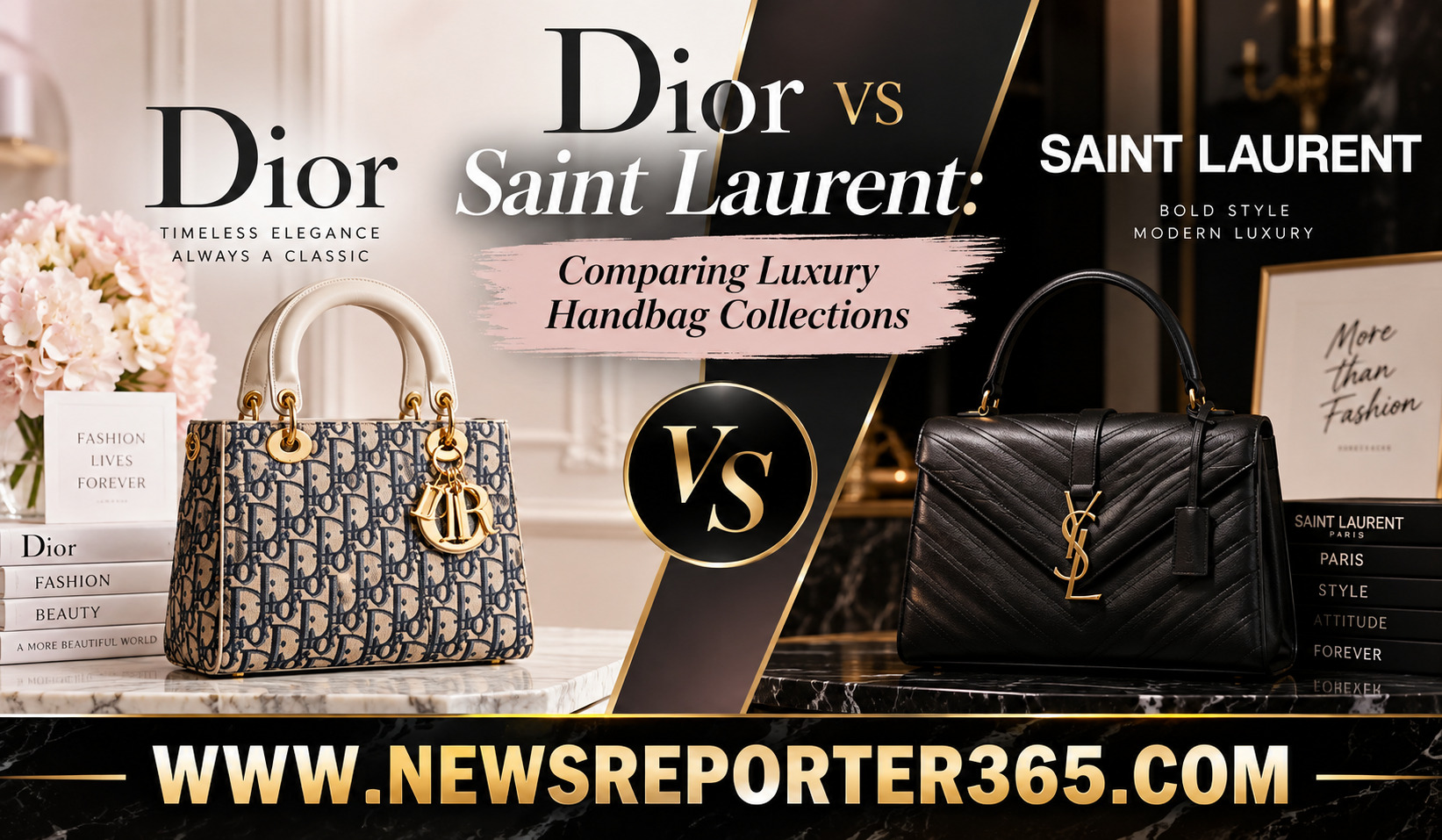
Dior and Saint Laurent both grew from French fashion tradition, yet the two brands send almost opposite signals through their handbags. Dior vs Saint Laurent is often less about which brand makes a better bag, and more about which mood a buyer wants to project. Dior leans into classic delicacy and feminine detail, while Saint Laurent favors bold, streamlined minimalism with a rock and roll edge. This guide compares their design philosophies, materials, sizing, and resale performance to help you decide which collection fits your wardrobe.
French Heritage, Two Different Attitudes
Christian Dior founded his house in 1946, building it around the New Look and a deep commitment to femininity, elegance, and fine sewing. That foundation still shapes the brand’s handbag designs today.
Saint Laurent, founded in 1961, grew out of a more utilitarian, tailoring-driven approach. Its handbags favor structured minimalism and sleek, modern silhouettes over the intricate, decorative detail associated with Dior.
Interestingly, Yves Saint Laurent himself once served as creative director at Dior early in his career, which makes the eventual split between the two brands’ aesthetics even more striking. The two houses essentially grew from the same tree before branching in opposite directions.
That shared root also explains why both brands remain deeply respected within French fashion, even as their current design languages read as near opposites on a mood board.
Dior: Structured Romance
Dior’s handbag identity centers on refined femininity paired with artisanal detail. The Lady Dior remains the clearest expression of this, known for its structured shape, cannage stitching, and dangling charm detail.
The brand frequently incorporates signature prints, including the Dior Oblique and Toile de Jouy, adding a decorative, almost couture-inspired layer to its bags that goes beyond a simple silhouette.
This aesthetic suits buyers who want a handbag that feels intentionally elegant and slightly formal, built around craftsmanship and visible detail rather than understated minimalism. The Book Tote extends this identity into a larger, more casual format, while still carrying the brand’s distinctive print language.
Dior also rotates seasonal reinterpretations of its core shapes fairly often, giving longtime collectors new colors, sizes, and material combinations to track with each collection.
Saint Laurent: Sleek Minimalism With an Edge
Saint Laurent’s handbags lean toward bold cuts and streamlined shapes, consistent with the brand’s broader reputation for tailoring and leather goods. The aesthetic reads as modern and slightly rebellious, rather than classically romantic.
Popular styles like the Loulou and the Niki reflect this identity clearly, often featuring quilted leather, statement hardware, and a more relaxed, structured-yet-soft silhouette.
This makes Saint Laurent especially appealing to buyers who want a luxury bag that pairs easily with a more contemporary, edgier wardrobe, rather than a strictly formal one. The Le 5 à 7 offers an even more minimal option, stripping the silhouette down to its simplest, most versatile form.
Under recent creative direction, Saint Laurent has continued to favor sharp tailoring cues and a consistent, confident color palette anchored heavily around black and neutral tones.
| Feature | Dior | Saint Laurent |
| Design Philosophy | Romantic, artistic, structured femininity | Sleek, minimalist, modern edge |
| Signature Bag | Lady Dior | Loulou |
| Aesthetic | Classic delicacy with decorative detail | Bold, streamlined, rock and roll sophistication |
| Materials | High-grade leathers, embroidery, technical fabrics | Calfskin leather, suede, quilting |
| Best For | Formal, statement-driven elegance | Everyday versatility with an edge |
Materials and Everyday Wearability
Dior handbags often use high-grade leathers alongside exotic skins and decorative techniques like embroidery, reflecting the brand’s couture roots and emphasis on visible craftsmanship.
Saint Laurent tends to favor calfskin leather for a smooth, polished finish, along with suede and quilting techniques that add softness and texture without heavy embellishment.
For daily wearability, Saint Laurent’s more minimal designs often integrate a little more easily into casual or mixed-formality outfits, while Dior’s pieces tend to elevate an outfit toward something more intentionally dressed up. Neither material choice sacrifices durability, though Dior’s decorative surfaces generally ask for a bit more careful handling over time.
Signature Details and Hardware
Dior signs its bags through a combination of hardware and print. The D.I.O.R. charm, cannage quilting, and rotating seasonal prints all work together to make a Dior bag identifiable even without a visible logo.
Saint Laurent relies more heavily on its interlocking YSL monogram hardware, often rendered in bold, oversized gold or silver finishes that anchor the front of the bag as a clear focal point.
This contrast reflects the same underlying philosophy seen in each brand’s overall aesthetic. Dior spreads its identity across several quieter details, while Saint Laurent tends to lead with one bold, unmistakable hardware statement.
Sizing, Shape, and How Each Bag Wears on the Body
Dior’s structured pieces, including the Lady Dior, tend to hold a firm shape regardless of how full the bag is, which gives outfits a tailored, composed silhouette.
Saint Laurent’s bags, particularly the Loulou, favor a softer, more relaxed structure that shifts slightly with movement, giving the overall look a more casual, lived-in feel.
Buyers who prefer a bag that keeps its shape all day often lean toward Dior, while those who prefer a softer, more forgiving silhouette tend to gravitate toward Saint Laurent’s signature quilted styles.
Price Points and Resale Performance
Dior sits at a high luxury price point, with popular handbags like the Lady Dior typically starting around 4,000 dollars and climbing significantly for larger sizes or premium materials.
Saint Laurent generally offers a somewhat more accessible entry point into luxury handbags, without straying far from true high-end craftsmanship and materials.
On the resale market, both brands perform reasonably well for their most iconic styles, though pieces with lasting brand recognition and classic proportions tend to hold value more reliably than trend-specific releases from either house.
Condition and completeness still matter for both brands, just as they do across the wider luxury handbag market. A well maintained Lady Dior or Loulou, sold with its original box and dust bag, will almost always outperform an identical piece missing those details.
Buyers focused purely on long-term value should pay close attention to size and color as well. Classic neutral tones in both collections tend to attract a wider pool of resale buyers than bold, seasonal colorways.
Key Takeaways
- Design philosophy: Dior favors romantic, structured elegance, Saint Laurent favors sleek, edgy minimalism.
- Signature bags: The Lady Dior and the Loulou each represent their brand’s core identity clearly.
- Materials: Dior leans into decorative craftsmanship, Saint Laurent leans into clean, modern leatherwork.
- Shape and fit: Dior tends to hold a firm structure, Saint Laurent tends to shift into a softer, relaxed silhouette.
- Price and resale: Dior sits at a higher entry price, while both brands hold value best in their most iconic, classic styles.
Frequently Asked Questions
Which brand is more formal, Dior or Saint Laurent? Dior generally reads as more formal and romantic, while Saint Laurent leans toward a sleeker, more casual edge.
What is Saint Laurent’s most iconic handbag? The Loulou is one of Saint Laurent’s most recognized handbags, known for its quilted leather and structured chain strap.
Why is Dior known for decorative detail? Dior’s handbag designs often reflect the brand’s couture heritage, incorporating embroidery and signature prints like Toile de Jouy.
Is Saint Laurent more affordable than Dior? Saint Laurent generally offers a somewhat more accessible price point than Dior, though both remain firmly in luxury territory.
Did Yves Saint Laurent ever work at Dior? Yes, Yves Saint Laurent served as creative director at Dior early in his career before founding his own house in 1961.
Conclusion
Dior vs Saint Laurent ultimately comes down to which aesthetic feels more like you. Dior offers structured, romantic elegance built on decades of couture tradition, while Saint Laurent offers sleek, modern minimalism with a distinct edge. Both brands deliver genuine craftsmanship at the highest level, so the better choice depends less on quality and more on which mood you want your handbag to carry into a room.