

Introduction
Chanel and Dior sit at the very top of luxury handbag design, yet the two brands rarely appeal to the same instinct in a buyer. Chanel vs Dior often comes down to a simple question: do you want a bag that barely changes from year to year, or one that leans into artistry and reinvention? Chanel built its identity on understated, repeatable elegance, while Dior leans toward romantic, detailed femininity. This guide compares both houses across design, craftsmanship, styling, and resale value, so you can figure out which one actually fits your style.
Two Icons, Two Very Different Philosophies
Chanel was founded by Gabrielle Chanel in 1910, and her original 2.55 bag introduced the first shoulder strap on a luxury handbag. That single innovation still shapes the brand’s identity today.
Dior arrived later, in 1946, built around Christian Dior’s postwar New Look and a strong emphasis on femininity and refined tailoring. That founding difference, ease and comfort versus structured elegance, still defines how each brand designs a bag today.
Neither approach is objectively better. They simply serve very different instincts about what a luxury handbag should say about the person carrying it.
This gap in philosophy shows up almost immediately once you set the two brands side by side. Chanel favors quiet familiarity, while Dior favors a slightly more theatrical sense of occasion.
Chanel: Consistency as a Design Philosophy
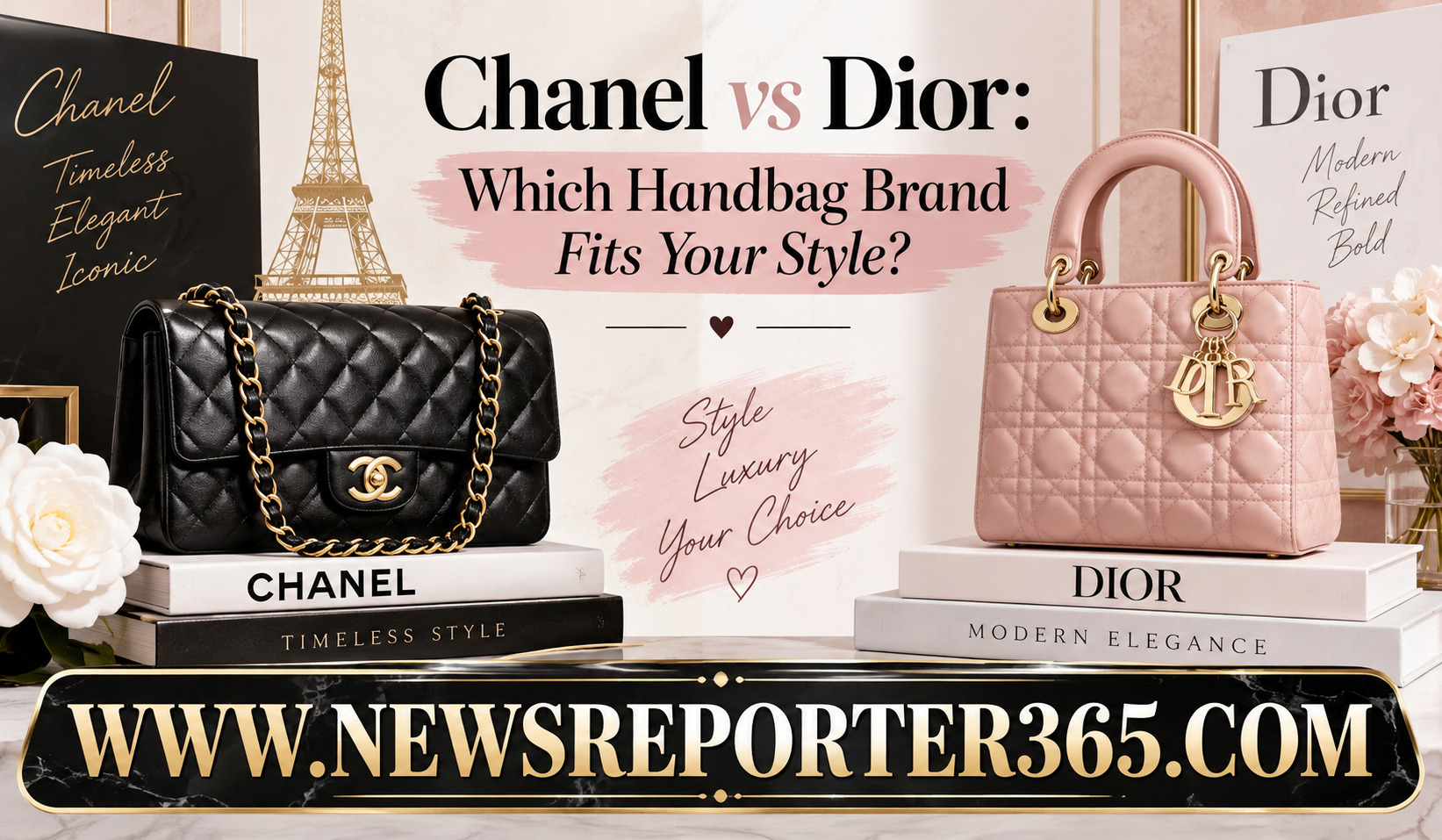
Chanel’s most famous handbag, the Classic Flap, has barely changed since Karl Lagerfeld’s 1983 reinterpretation of the original 2.55. Quilted leather, a chain strap, and the interlocking CC turn-lock remain instantly recognizable across nearly every collection.
This consistency is intentional. Chanel bags are designed to look nearly identical year after year, which gives them a low-key, understated presence rather than a loud fashion statement.
That steadiness appeals strongly to buyers who want a bag that will still look relevant a decade from now, without needing to track seasonal design shifts. It also builds a strong sense of trust among longtime collectors, who know roughly what to expect from a new release.
Beyond the Classic Flap, Chanel offers other steady favorites, including the Boy bag and the Coco Handle. Each one still carries the brand’s core visual language, just with a slightly different silhouette or hardware detail.
Dior: Romantic Elegance With an Artistic Edge
Dior takes a more expressive approach. Under recent creative direction, the brand’s aesthetic has leaned romantic and modernly feminine, often incorporating floral motifs, intricate embroidery, and structural silhouettes.
The Lady Dior remains the clearest example of this identity. Originally called the Dior Chouchou, it was renamed after Princess Diana was frequently photographed carrying it, and it still anchors the brand’s handbag lineup today.
Dior’s designs tend to feel grander and more detailed than Chanel’s, appealing to buyers who want a bag that reads as a genuine statement piece rather than a quiet, repeatable classic. The Book Tote, a more recent addition, extends this artistic identity into a bolder, print-driven format.
Seasonal collections often introduce new interpretations of these core shapes, giving Dior collectors more to look forward to with each release compared to Chanel’s steadier approach.
| Feature | Chanel | Dior |
| Design Philosophy | Consistent, understated, classic | Romantic, artistic, detail-driven |
| Signature Bag | Classic Flap | Lady Dior |
| Aesthetic | Low-key French chic | Modern femininity, structured elegance |
| Materials | Quilted lambskin, caviar leather, tweed | High-grade leathers, embroidery, technical fabrics |
| Best For | Timeless, repeatable investment pieces | Statement pieces with an artistic narrative |
Materials and Craftsmanship Compared
Chanel’s material choices center on durability and a distinctive feel. Its quilted lambskin is prized for softness, while caviar leather is known for being scratch-resistant and easier to maintain over years of use.
Dior focuses more on intricate construction and decorative detail. High-grade leathers, exotic skins, and technical fabrics appear regularly, often paired with hand embroidery or embellishment that requires significant artisanal skill.
Both brands maintain extremely high production standards. The real difference lies in intent: Chanel prioritizes long-term durability in familiar forms, while Dior often prioritizes intricate, expressive detail. A Chanel caviar bag is built to survive daily handling with minimal visible wear, while a heavily embroidered Dior piece often asks for a bit more careful handling.
Hardware, Details, and How Each Brand Signs Its Work
Chanel signs its bags through the interlocking CC turn-lock, a detail so recognizable it barely needs the brand name attached. The quilted diamond stitching pattern serves a similar function, instantly identifying the house from across a room.
Dior takes a more varied approach to signature details. The cannage stitching seen on the Lady Dior, along with the dangling D.I.O.R. charm, functions as its own quiet signature, while the Toile de Jouy and Oblique prints add a second, more visual layer of brand recognition.
This difference reflects each brand’s broader philosophy. Chanel relies on one or two consistent hardware details repeated endlessly, while Dior spreads its identity across several distinct motifs that rotate through different collections.
Everyday Versatility vs Statement Occasions
Chanel’s understated design tends to fit easily into a wide range of settings, from the office to a casual weekend outing to a formal event. That flexibility is part of why the Classic Flap remains such a popular first luxury handbag purchase.
Dior’s more decorative pieces often suit dressier occasions a bit more naturally. A heavily detailed Lady Dior can feel slightly more formal in a strictly casual setting compared to a plain Chanel flap bag.
Neither brand is limited to one context, but buyers building a single, do-everything bag often lean toward Chanel, while those curating a wardrobe of more specialized pieces often reach for Dior on occasions that call for a bit more presence.
Resale Value: Where the Two Brands Diverge
This is one of the clearest practical differences between the two houses. Chanel’s Classic Flap and 2.55 have consistently increased in value over the years, driven largely by the brand’s frequent retail price increases and tightly managed supply.
Dior bags also hold value reasonably well, particularly limited editions and the Lady Dior specifically. However, they typically do not appreciate as dramatically as Chanel’s core styles on the resale market.
If resale performance is a top priority, Chanel generally holds the advantage. If personal style and artistic expression matter more than pure investment potential, Dior remains a strong and often more distinctive choice.
Key Takeaways
- Design philosophy: Chanel favors steady consistency, Dior favors romantic, evolving artistry.
- Signature bags: The Chanel Classic Flap and the Dior Lady Dior represent each brand’s core identity.
- Materials: Chanel emphasizes durable, familiar leathers, Dior emphasizes intricate, detailed craftsmanship.
- Everyday fit: Chanel suits a single do-everything bag strategy, Dior suits dressier, statement occasions.
- Resale value: Chanel generally holds and appreciates in value more consistently than Dior.
Frequently Asked Questions
Which brand holds its value better, Chanel or Dior? Chanel generally holds its value better, largely due to frequent retail price increases and tightly controlled supply.
Is Dior more feminine than Chanel? Dior is often described as more romantic and feminine, while Chanel leans toward understated, classic elegance.
What is Chanel’s most iconic handbag? The Chanel Classic Flap, based on Coco Chanel’s original 2.55 design, remains the brand’s most iconic handbag.
Why is the Lady Dior associated with Princess Diana? The Lady Dior was renamed in honor of Princess Diana, who was frequently photographed carrying the bag.
Which brand is better for a first luxury handbag purchase? Both brands work well for a first purchase, though Chanel’s consistent designs may offer more long-term resale confidence.
Conclusion
Chanel vs Dior ultimately comes down to what you want a handbag to communicate. Chanel offers steady, low-key elegance built for long-term consistency and strong resale performance. Dior offers romantic, detail-rich design built for buyers who want their handbag to feel like a genuine artistic statement. Both are exceptional investments in craftsmanship, and the right choice depends entirely on which philosophy matches your personal style.